Urban dust and pollution
Traffic, infrastructure work and industrial emissions leave dust and greasy deposits on glass, frames and exterior cladding.
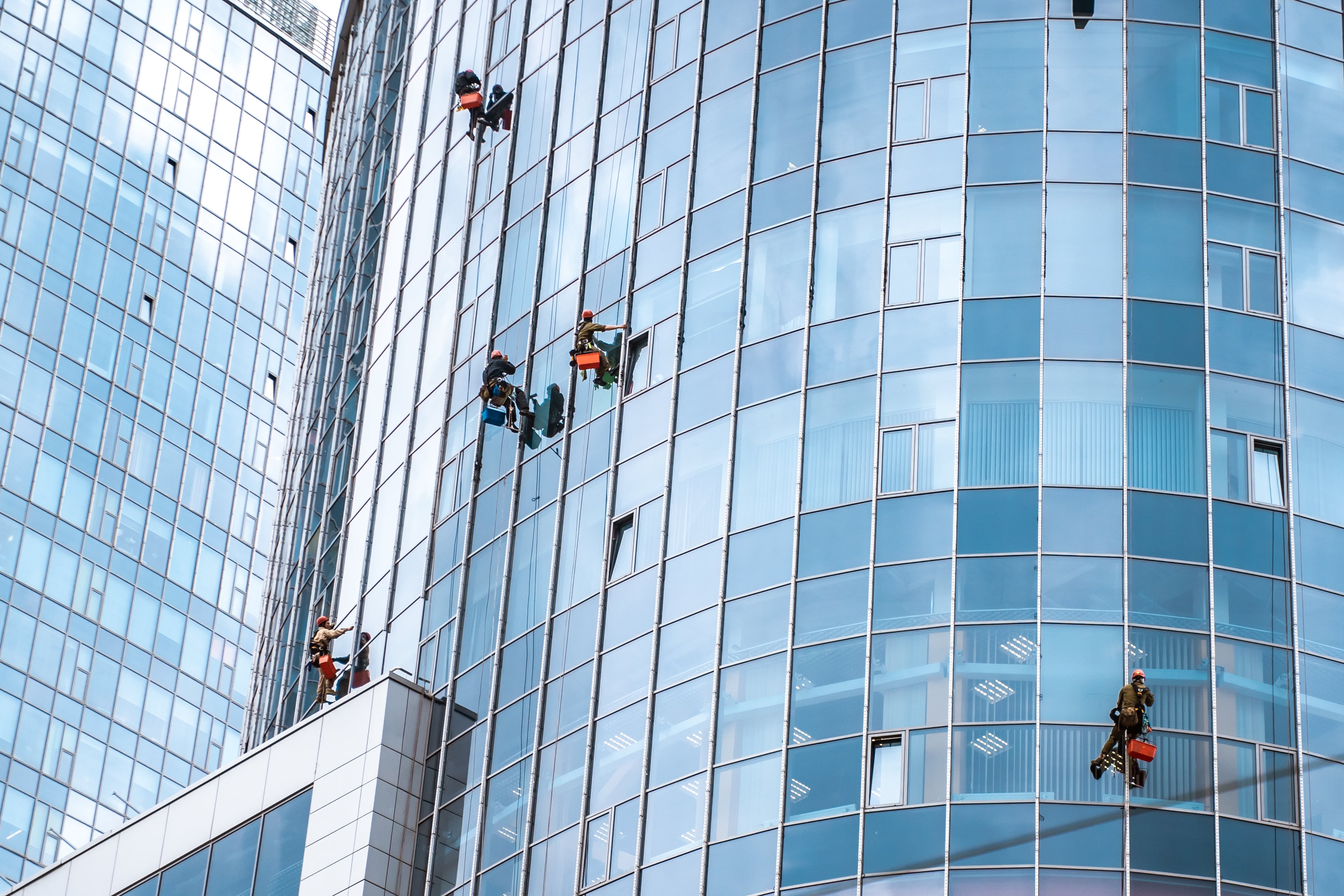
Professional Cleaning Solutions for Commercial & High-Rise Buildings
Maintaining a clean, well-kept exterior is essential for commercial properties across Mumbai. From corporate headquarters in BKC to expansive IT parks in Powai and high-rise commercial towers in Lower Parel, exterior building surfaces are continuously exposed to heavy traffic pollution, industrial dust, coastal salt air, and intense monsoon water staining. Over time, this buildup degrades glass clarity, discolors cladding, and impacts your property's overall appearance.
SCFM IFM Services provides specialized, professional facade cleaning solutions engineered for commercial buildings, high-rise towers, malls, hospitals, and institutional facilities. Our trained execution teams clean glass facades, structural glazing, aluminum composite panels (ACP), and exterior wall surfaces, restoring your building's professional aesthetic while supporting long-term property maintenance.
Serving commercial properties across South, Central, Western, and Eastern Mumbai, SCFM delivers safe, reliable, and systematic exterior maintenance tailored to your facility's specific architectural and operational requirements.
Get a customized facade cleaning proposal based on your building height, surface materials, access and operating requirements.
Mumbai's commercial real estate operates in one of the most demanding coastal microclimates in India. Commercial buildings across the city face continuous exposure to heavy vehicular emissions, coastal salt air, construction dust, industrial pollutants, and prolonged monsoon rains. Over time, these environmental factors deposit layers of stubborn grime onto exterior surfaces, significantly diminishing the property's visual appeal and structural integrity.
Without specialized exterior building cleaning in Mumbai, airborne particles embed themselves into porous facade materials, while mineral-laden rainwater leaves calcified streaks across glass panels. What begins as minor cosmetic dust accumulation gradually transforms into permanent surface degradation if left unchecked.
Traffic, infrastructure work and industrial emissions leave dust and greasy deposits on glass, frames and exterior cladding.
Rain carries airborne contaminants onto glass and stone. As water dries, mineral marks and streaks can remain on the surface.
Saline breezes and coastal humidity can accelerate oxidation on ACP, metal finishes and structural fasteners.
A well-maintained exterior supports a professional first impression, property presentation and a planned maintenance programme.
| Factor | Impact of Unmaintained Facades | Benefit of Regular Cleaning |
|---|---|---|
| Corporate image and first impressions | Dull glass and stained cladding project neglect to clients, visitors and key stakeholders. | Restores facade clarity and reinforces professional presentation and building standards. |
| Asset preservation and lifespan | Mineral deposits can etch glass and cladding and contribute to costly replacement. | Regular cleaning helps maintain glass panels, ACP sheets, structural sealants and metal trims. |
| Tenant retention and value | Degraded exteriors can lower rental yield and tenant interest in commercial facilities. | A consistent maintenance programme supports property presentation, market value and tenant satisfaction. |
| Preventative maintenance | Unaddressed grime can hide minor facade damage, loose sealant or structural fractures. | Routine cleaning provides an opportunity to identify and report visible maintenance risks early. |
SCFM IFM Services provides exterior cleaning for Mumbai's varied commercial architecture, from modern glass curtain walls to multi-material high-rise towers. Trained teams use specialized equipment and non-abrasive cleaning agents suited to each building's materials and site conditions.

Cleaning for architectural glass, structural glazing and curtain walls to remove dust, carbon deposits and hard-water marks. Pure-water systems, specialized squeegees and neutral cleaning solutions help protect coatings and tint films.
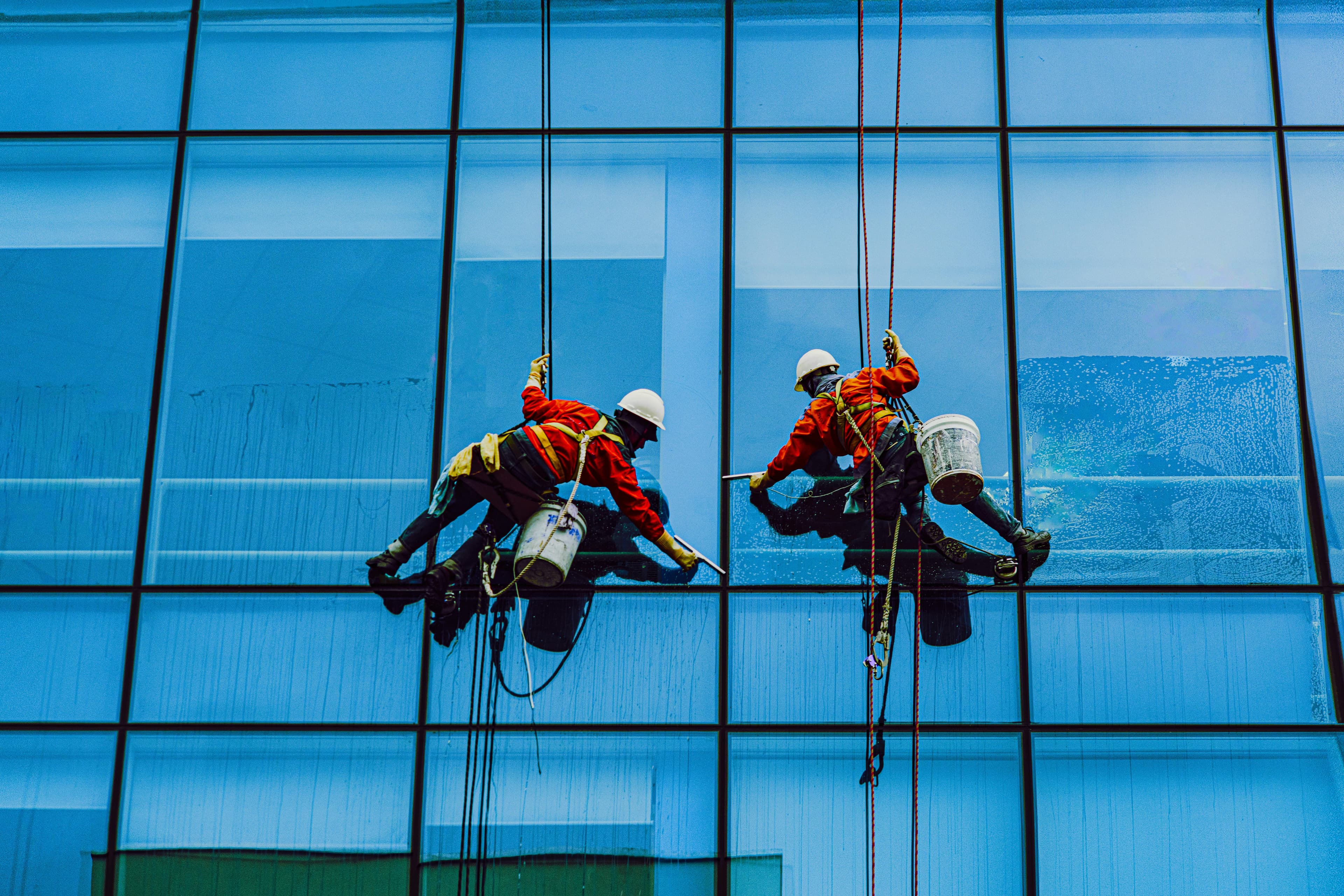
Surface-matched cleaning for stone, granite, marble, tiles, textured paint, concrete and ACP. Pressure and neutral detergent selection are adjusted to remove dirt, soot, algae and environmental staining while protecting finishes and sealants.
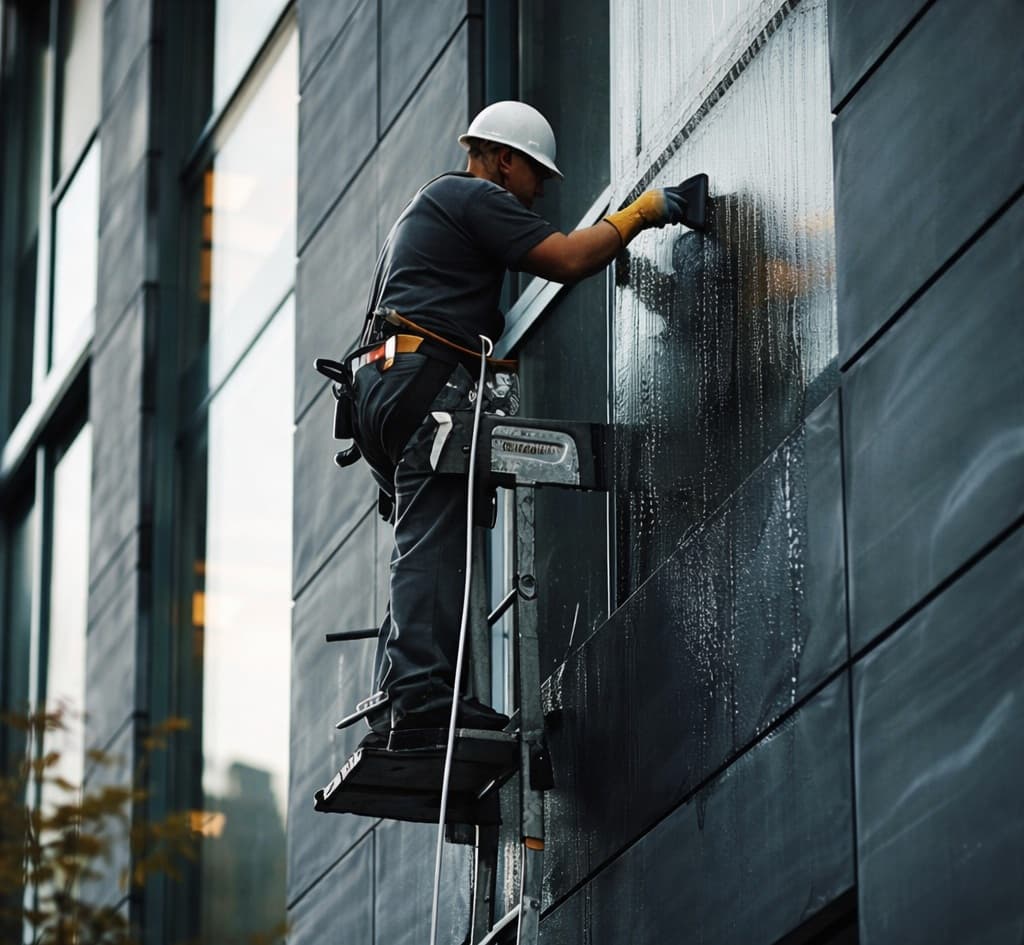
Cleaning for commercial windows, glass railings, canopies and skylights, including glass panes, frames, aluminum mullions and perimeter seals.
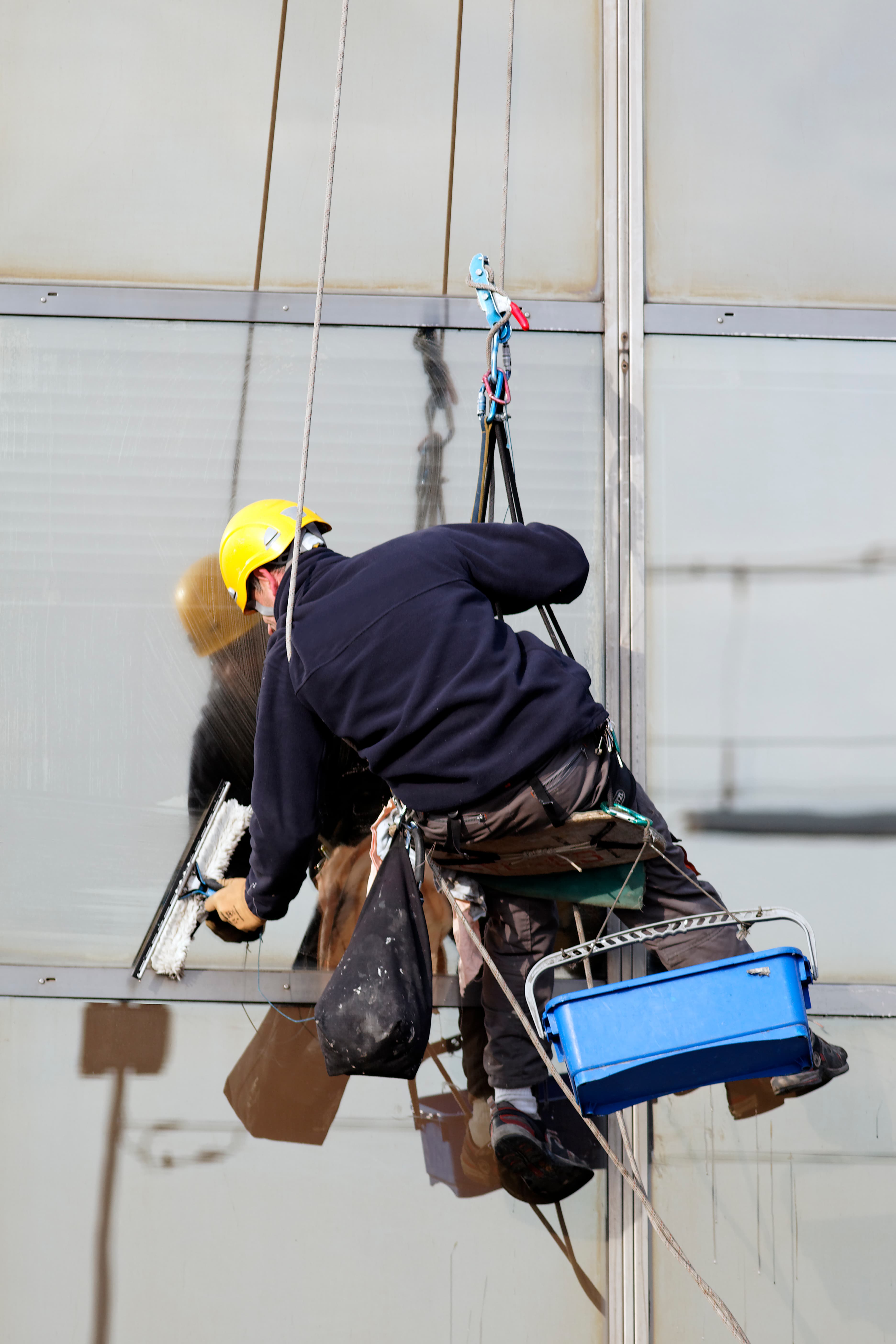
High-rise exterior cleaning using certified rope access systems, motorized cradles (BMUs) or suspended scaffolding. Trained technicians plan around building geometry, roof access, wind and weather to clean elevations from the upper floors to podium level.
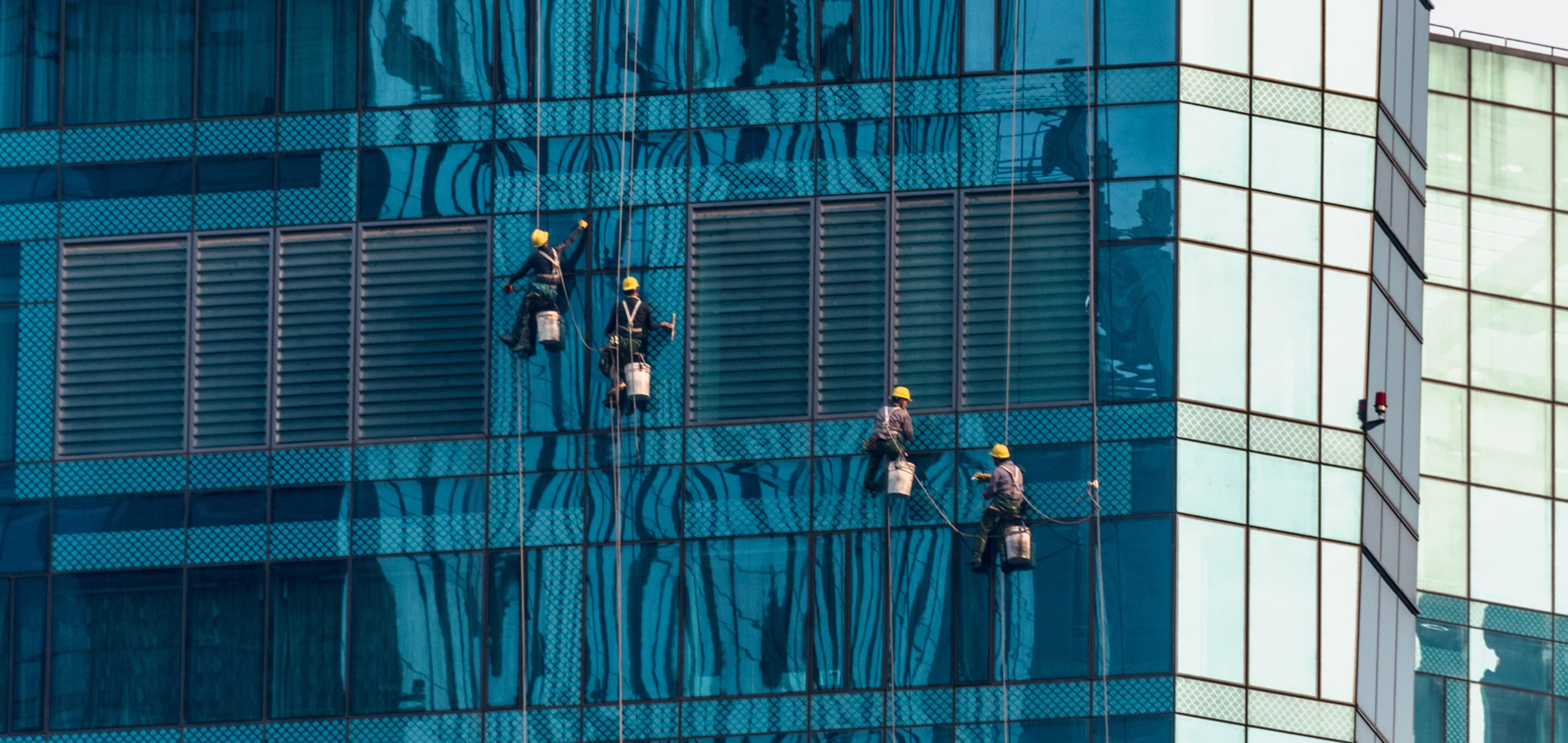
Exterior cleaning programmes for corporate and office towers, malls and retail centers, hotels, hospitals, IT parks and business complexes. Scope and timing are adapted to each property's surfaces, foot traffic and operating schedule.
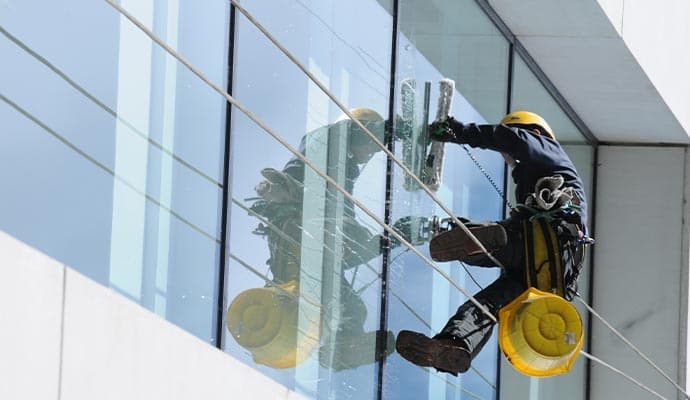
Periodic maintenance programmes can be planned quarterly, bi-annually or around site requirements to manage dirt buildup and support timely reporting of visible exterior issues.
Get a customized facade cleaning proposal based on your building height, surface materials, access and operating requirements.
Every commercial facility operates under unique structural layouts, daily foot traffic patterns, and operational constraints. Facility managers, operations heads, and building owners require an exterior maintenance partner capable of adapting to their specific property type without disrupting daily operations.
SCFM IFM Services delivers tailored facade cleaning solutions configured specifically for the operational demands of diverse commercial real estate sectors across Mumbai.
Headquarters and corporate offices need high aesthetic standards. Teams clean glass facades, entrance lobbies and exterior architectural elements quietly, with scheduling around business hours or weekends to avoid disrupting workplace activities.
Multi-tenant commercial complexes have high traffic, diverse finishes and continuous vehicle movement. Cleaning covers common-area glass, structural cladding and tenant frontages to support a consistent exterior appearance.
Towers require specialist execution for wind exposure, access challenges and large surface areas. Certified rope-access technicians and motorized cradle systems (BMUs) support safe, consistent cleaning from upper levels to ground elevation.
Discreet cleaning of hotel facades, glass canopies and panoramic windows supports guest privacy and reduces noise or disruption to hotel operations.
Coordinated work uses non-toxic, eco-friendly solutions and non-intrusive access methods, protecting sensitive patient zones, emergency routes and ventilation intakes.
Facade and canopy cleaning addresses high-level atrium glass, street-facing windows and retail entrances, with schedules planned around peak shopping periods.
Scalable crews and suitable equipment clean large campuses of structural glazing, metal panels and decorative louvers systematically, with minimal disruption to daily operations.
Cleaning plans adapt to educational institutes, private institutions, exhibition centers, government complexes and transport terminals, with a documented process suited to the structure and access conditions.
Different structures, architectural profiles and exterior materials require specialized cleaning systems. SCFM evaluates building height, roof anchors, facade geometry and site safety during an initial survey to select a safe and efficient access solution.
Rope access, also called spiderman cleaning, is suited to complex high-rise elevations. Height-trained technicians descend on dual-rope systems anchored to certified roof points to clean glass panes, mullions and ACP cladding.
Multi-story towers, complex architectural shapes, overhangs and elevations where ground-based platforms or mechanized cradles are impractical.
Independent working and safety lines, fall-arrest mechanisms, inspected anchor points and daily toolbox risk assessments are used before descent.
Telescopic carbon-fiber poles with soft-bristle brushes use purified, deionized water to dissolve surface dirt and mineral spots. On suitable glass, the water dries naturally to a spot-free finish without chemical additives.
Low- to mid-rise facades, ground-level glass, podium glazing, entrance canopies and window arrays up to 50–60 feet from ground level.
Work can be performed from ground level without elevated scaffolding or rope rigging, making this a fast, non-intrusive option for active entrances and retail fronts.
Motorized suspended platforms and built-in Building Maintenance Units provide a stable working platform for large, continuous glass curtain walls and uniform towers. Roof-mounted davit arms or temporary rigging can support cradles across large facade areas.
Large glass elevations, uniform commercial towers, delicate stone finishes, heavy monsoon oxidation and deep mineral deposits.
Manual restoration uses non-abrasive pads and surface-neutral detergents or biodegradable solvents selected to protect tint films, silicone joints and metallic trims.
Working at height on commercial real estate involves complex risk factors, wind velocity considerations and strict compliance standards. Facility leaders need confidence that high-rise operations will be executed without exposing the property or occupants to liability.
As an Integrated Facility Management (IFM) provider, SCFM approaches facade cleaning with Environment, Health and Safety (EHS) protocols designed to protect technicians, building occupants, pedestrian traffic and structural assets.
Review roof anchors, structural load considerations, drop paths, access and localized weather conditions before deployment.
Technicians receive safety briefings covering access systems, emergency procedures, rigging and site-specific risks.
Ropes, cradles, BMUs and related equipment are checked before use, with appropriate secondary fall-arrest systems.
Work planning accounts for suitable harnesses, helmets, footwear, eye protection and tool lanyards.
Barricades, cones and warning signage help isolate the perimeter below active vertical work areas.
Coordinate access permissions, security, building entry patterns and emergency procedures with site teams.
| Safety element | SCFM protocol | Facility value |
|---|---|---|
| Pre-job hazard analysis | Documented site risk assessment before mobilization. | Helps minimize structural liability and operational risk. |
| Dropped-object mitigation | 100% lanyard-tethered cleaning equipment and tools. | Prevents falling-object hazards over public walkways. |
| Weather monitoring | Continuous monitoring of wind speeds and rain conditions. | Safe work stoppage when weather thresholds breach limits. |
| Site coordination | Work shifts are aligned with building safety leads. | Supports clear communication with security and EHS teams. |
Selecting an exterior cleaning vendor means balancing safety, technical execution and operational reliability. SCFM combines integrated facility management with specialized high-rise cleaning to support your property's appearance and maintenance.
Work planned for commercial, corporate and industrial properties, taking tenant schedules and live operations into account.
Technicians are trained to work with different facade surfaces and follow site workflows and coordination requirements.
Cleaning methods are selected after evaluating the facade, from purified water systems to non-abrasive cleaning and height access.
Risk assessment, equipment checks, work-at-height practices and ground-level drop-zone controls are included in project planning.
Exterior cleaning can be coordinated with facility, engineering and security teams, with visible issues reported after cleaning.
| Capability | Standalone cleaning vendors | SCFM IFM Services |
|---|---|---|
| Operational scope | Isolated, one-off exterior window cleaning. | Material-matched exterior cleaning and planned maintenance. |
| Safety governance | Safety practices can vary between vendors. | Structured work-at-height planning and EHS protocols. |
| Site management | Limited integration with facility operations. | Coordination with facility and engineering teams. |
| Property reporting | May not include exterior condition feedback. | Visible concerns on seals, glass and ACP can be reported after cleaning. |
A structured, methodical approach supports consistent cleaning quality, minimal disruption to daily operations, and safety compliance. SCFM IFM Services carries out facade cleaning through a transparent five-step operational framework.
Initial technical evaluation and safety audit.
Our technical specialists inspect facade materials such as glass, ACP, stone and structural cladding, assess dirt levels, examine roof anchor points and identify site-specific access challenges.
Method selection and operational scope.
Based on the assessment, we define the recommended access method, suitable cleaning agents, manpower, timeline and safety protocols for the facility.
Site setup and drop-zone perimeter isolation.
Before work begins, safety leads set up barriers and signage. Technicians receive pre-shift briefings, inspect rigging and PPE, and coordinate shift timing with facility management.
Systematic execution by height-trained technicians.
Trained personnel clean from upper elevations down using purified water, soft brushes or surface-matched detergents to address soot, mineral marks and environmental grime while protecting facade finishes.
Quality check and facility handoff.
A site supervisor reviews the completed work with facility or engineering leads and provides an inspection report noting visible sealant wear or exterior anomalies.
Mumbai exteriors collect carbon smog, saline film and monsoon staining. Planned facade cleaning helps remove grime, restore glass clarity and maintain exterior finishes.
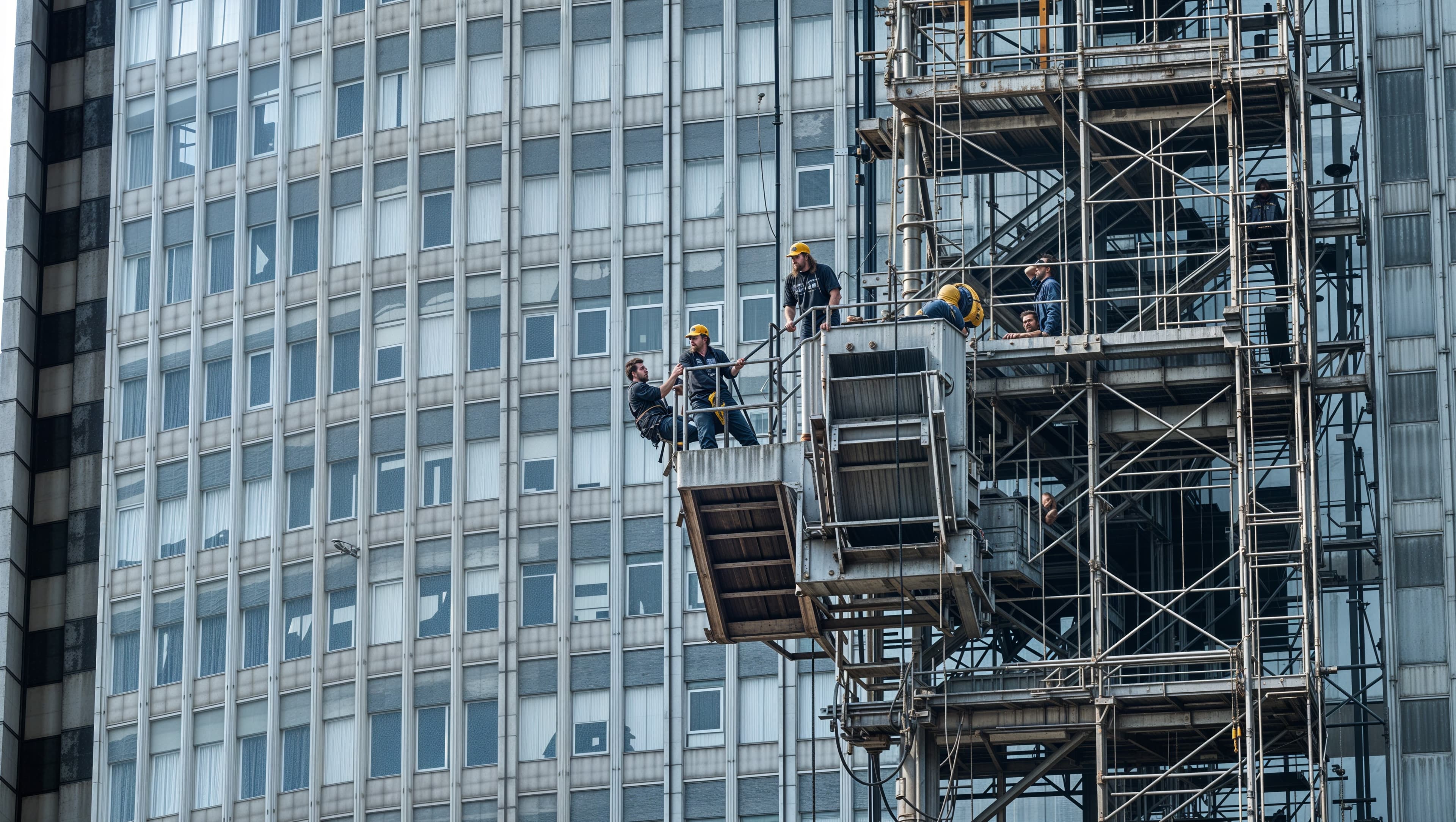
Treat calcified water marks with suitable non-abrasive methods.
Remove grime and carbon soot from glass and exterior cladding.
Support natural daylight through cleaner glass surfaces.
Help protect glass from long-term pollutant etching.
The right interval depends on local exposure and the building's materials, geometry and operating standards.
Main roads, construction, metro corridors and coastal zones increase exposure to dust, soot and airborne salt.
Vehicle exhaust deposits oily carbon film on glass and cladding, which can call for more frequent cleaning.
Glass, ACP, granite and painted plaster retain dirt differently; porous surfaces and tinted glass may need specialized routines.
Buildings with more exterior glazing show rain spots, dust and mineral streaks sooner than concrete-heavy structures.
Monsoon rain leaves mineral marks and can encourage algae growth, making post-monsoon cleaning important.
High-rise towers and intricate ledges trap pollutants in hard-to-reach areas and affect maintenance requirements.
Executive offices, luxury hotels and premium malls may choose shorter intervals to maintain presentation standards.
There is no single rule for facade-cleaning frequency. Location, traffic, pollution, facade materials, glass area, monsoon exposure, building height and corporate standards all affect the ideal interval. These practical guidelines should be tailored to the property after a site assessment.
| Property profile | Suggested frequency | Primary focus |
|---|---|---|
| High-traffic retail malls and luxury hotels | 3 to 4 times per year | Entrances, canopies, street-level glass and visible frontages. |
| Corporate offices and premium towers | 2 to 3 times per year | Glass washing and panel cleaning to maintain presentation and daylight. |
| IT parks and large commercial complexes | 2 times per year | Post-monsoon marks and accumulated urban dust across large areas. |
| Industrial parks and standalone warehouses | 1 to 2 times per year | Exterior walls and panels to manage grime and weathering. |
SCFM provides facade cleaning across South and Central Mumbai, including BKC, Lower Parel, Worli, Nariman Point and Prabhadevi. Teams also serve the Western Suburbs, including Andheri East and West, Goregaon, Malad, Powai and Kandivali, and Eastern Suburbs including Ghatkopar, Vikhroli, Kanjurmarg and Kurla.
Regional service clusters extend to Thane, including Ghodbunder Road and Wagle Estate, and Navi Mumbai, including Belapur, Vashi, Airoli and the TTC Industrial Area. Schedules and cleaning methods are planned for each property's requirements.
Facade cleaning is the specialized washing and maintenance of a building's exterior surfaces, including structural glass, ACP, stone, metal cladding and concrete walls. It removes environmental grime, soot, pollution deposits and water marks.
Commercial offices, high-rise towers, business parks, hotels, shopping malls, retail centers, hospitals, educational institutions and other multi-tenant properties benefit from regular exterior maintenance.
Yes. Depending on the building and site assessment, cleaning can use rope access, motorized Building Maintenance Units (BMUs) or suspended gondolas.
Window cleaning generally focuses on glass panes. Facade cleaning can include the full exterior envelope: structural framing, ACP cladding, ledges, skylights and high-elevation surfaces, using suitable access systems and surface-specific methods.
Frequency depends on location, traffic, pollution, monsoon exposure, materials and brand standards. High-visibility malls and hotels may plan three to four cleans per year; corporate towers and IT parks commonly schedule two or more based on site conditions.
The right method depends on height, roof anchors, facade materials and site layout. Water-fed poles can suit elevations up to about 50–60 feet, while high-rises may need rope access or suspended platforms. SCFM assesses the site before recommending an approach.
When performed with surface-matched methods, facade cleaning can remove grime while protecting coatings and finishes. SCFM selects cleaning agents, tools and water systems based on the surface and site assessment.
Use the enquiry form on this page, call the facility team or connect via WhatsApp. Details such as property location, height, surface type and scope help prepare an estimate; a site evaluation may follow.
Scheduling can be coordinated around a facility's operating requirements, including weekends, early mornings or other agreed off-peak periods.
Project planning includes site risk assessment, work-at-height procedures, inspection of access equipment, suitable personal protective equipment and ground-level drop-zone controls.
Before elevated work begins, the ground perimeter below the work area can be isolated using barricades, cones and warning signage, with site coordination to redirect foot traffic where needed.
Many mineral marks can be treated with suitable non-abrasive methods and purified water. The treatment depends on the extent of deposits and the glass or cladding condition.
Depending on the site, access may use rope-access gear, suspended platforms or gondolas, BMUs, water-fed poles or mobile elevated work platforms.
Cleaning methods and products are selected to suit the facade and avoid unnecessary damage to seals. Surface condition and cleaning requirements should be reviewed during the site assessment.
Cleaning plans can prioritize biodegradable solutions and purified water systems where appropriate, reducing the need for stronger chemicals on routine glass cleaning passes.
Share the building address, estimated floors or height, facade materials, roof access or BMU details, cleaning scope and preferred timeline or frequency.
Timelines depend on facade area, building height, architectural complexity, weather and access method. A 10- to 15-story corporate tower typically takes 3 to 7 working days; the project schedule is confirmed after assessing the property and scope.
Yes. Specialized rope access, low-pressure purified water systems or long-reach poles can be considered for complex glass features, subject to site conditions and safety assessment.
Cleaning teams working close to the facade may observe visible panel damage, loose fixtures, degraded seals or rusted brackets and report these observations to the facility manager.
Yes. Service coverage also includes commercial zones in Thane and Navi Mumbai, including Ghodbunder Road, Wagle Estate, Vashi, Belapur, Airoli and TTC Industrial Area.
Get a safety-conscious quote tailored to your property's height, surface type and operating requirements. Share your building details and our team will help plan the next step.