
BlogCommercial Facade Cleaning
What Is Commercial Facade Cleaning? A Complete Guide for Building Owners
Learn what commercial facade cleaning involves, common building exterior problems, cleaning methods, safety considerations and how to plan regular maintenance.
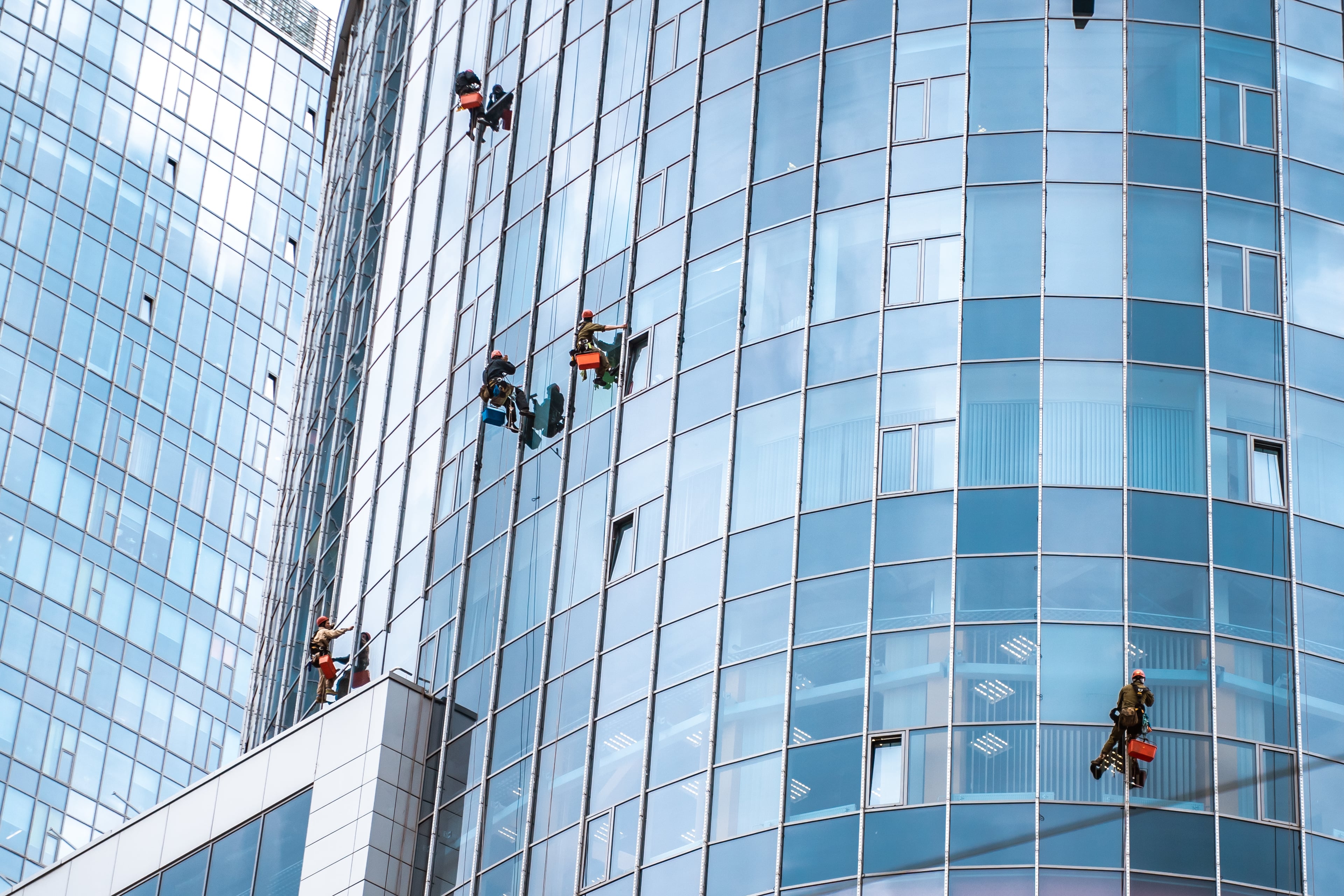
The exterior of a commercial property serves as its primary visual handshake. Whether managing a high-rise office complex, a luxury hotel, a modern hospital, or a corporate headquarters, maintaining a pristine building exterior is essential for preserving property value, visual appeal, and structural integrity.
Over time, daily environmental exposure subjects building exteriors to relentless accumulations of dust, urban pollution, atmospheric grime, hard water stains, and vehicular exhaust. Commercial facade cleaning addresses these challenges through structured inspection, routine maintenance, and specialized cleaning methodologies tailored to diverse building materials.
In this comprehensive guide, we explore what commercial facade cleaning involves, common structural exterior problems, cleaning methods, safety protocols, and how to establish an effective maintenance schedule for your commercial property.
1. What Does Commercial Facade Cleaning Involve?
Commercial facade cleaning is a comprehensive engineering and operational discipline focused on the systematic inspection, surface preparation, specialized washing, restoration, and preventive maintenance of a building’s entire exterior envelope. The primary goal is not merely cosmetic uplift, but the long-term protection of structural substrates against chemical decay, environmental weathering, and material degradation.
A building’s facade encompasses all outer structural, decorative, and functional components exposed to atmospheric elements. This includes, but is not limited to, architectural structural glass, structural steel framing, Aluminum Composite Panels (ACP), natural stone cladding (granite, marble, sandstone), exposed fair-faced concrete, exterior tiles, window frames, mullions, louvers, rain-screen cladding, sealants, and expansion joints.
Because no two commercial properties share identical design parameters or environmental exposure profiles, professional facade cleaning scope is rigorously tailored across several operational and technical factors:
Factors That Shape the Cleaning Scope
Building Height, Geometry, and Architectural Complexity
Low-rise retail centers and ground-level storefronts utilize ground-accessible tools or mobile elevated work platforms (MEWPs). Conversely, multi-story office towers, irregular geometric structures, cantilevered sections, and high-rise commercial skyscrapers require complex vertical access strategies. These include suspended cradle systems (Building Maintenance Units / BMUs), articulated boom lifts, temporary scaffold towers, or industrial rope access (abseiling) setups compliant with international safety standards.
Surface Material Composition and Chemical Compatibility
Different exterior materials possess distinct physical properties, porosity levels, and chemical sensitivities. Acid-sensitive natural stones like limestone and marble require strictly non-acidic, pH-neutral bio-cleansers, whereas non-porous glass panels may require mild mineral-dissolving detergents. Selecting incompatible cleaning compounds can result in permanent surface etching, finish stripping, metal oxidation, or color bleaching.
Accessibility, Anchor Infrastructure, and Structural Load Capacity
Architectural embellishments such as deep window recesses, decorative fins, sloped atrium glass, overhangs, and continuous horizontal ledges create accessibility bottlenecks. Assessing top-of-building structural anchorage points, parapet load-bearing capacities, and safe line-of-sight rigging setups ensures technicians can navigate complex elevations without placing stress on fragile facade components.
Soiling Type, Contamination Age, and Surface Condition
Routine operational cleaning focuses on loose airborne particulate dust, pollen, fresh water spots, and light traffic film. Specialized exterior restoration targets heavy atmospheric carbon deposits, industrial soot, persistent hard water mineral scale, efflorescence (salt leaching from masonry), organic mold/algae growth, sealant bleed, and stubborn oxidation marks.
Professional Facade Maintenance Process
Unlike superficial washing or informal high-pressure spraying, a standardized professional facade maintenance execution follows a rigorous, multi-step process:
1
1. Pre-Work Site Assessment & Material Testing
Detailed visual inspections and spot-testing of cleaning solutions on inconspicuous areas confirm chemical compatibility and help avoid surface damage.
2
2. Safety Equipment & Access Setup
Certified anchorages are secured, safety lines are deployed, ground-level drop-zone barricades are established, and fall-arrest gear is prepared.
3
3. Targeted Pre-Treatment
Specialized, eco-friendly chemical agents or foam pre-soaks break down stubborn mineral bonds, carbon soot, or organic contaminants without damaging underlying seals.
4
4. Controlled Surface Washing
Surface-safe agitation from microfiber washing, soft-bristle brush systems, or low-pressure controlled water rinsing is calibrated to prevent water intrusion behind cladding or wall insulation.
5
5. Post-Cleaning Inspection & Preventive Sealing
Final quality checks cover all vertical and horizontal surfaces, with recommendations for protective hydrophobic coatings or sealant maintenance where necessary.
2. Which Building Surfaces Require Facade Cleaning?
Commercial structures feature complex, multi-material exteriors where distinct substrates sit adjacent to one another. Each material presents unique maintenance considerations, soiling patterns, and cleaning requirements.
Glass Facades (Vision Glass, Spandrel Panels, and Atriums)
Glass is the defining element of modern commercial architecture, serving both aesthetic and functional daylighting purposes. However, due to its smooth and highly reflective nature, glass readily displays environmental imperfections such as airborne dust accumulation, fingerprints, smudges, hard water spots, rain streaks, and industrial fallout film.
If mineral-laden rainwater or chemical-rich urban dew is left to bake on glass under direct solar radiation, the alkalis and silicates can permanently etch into the glass matrix, causing irreversible clouding or pitting. Routine cleaning restores optical transparency, enhances natural interior light penetration, lowers artificial lighting energy costs, and preserves the glass surface.
For specialized high-rise and glass tower upkeep, property managers rely on specialized glass facade cleaning services in Mumbai to maintain crystal-clear visibility and prevent long-term mineral etching.

Exterior Walls (Natural Stone, Concrete, Render, and Brickwork)
Porous masonry surfaces—including natural granite, marble, sandstone, exposed fair-faced concrete, textured exterior renders, and brickwork—act as sponges for urban pollution. Exhaust fumes, fine diesel particulate matter (DPM), carbon soot, and airborne grit lodge deep within the micro-pores of these materials.
In humid or rain-prone environments, damp masonry surfaces frequently foster biological growth, such as algae, moss, fungi, and lichen. Over time, organic acids produced by these organisms, combined with trapped moisture, degrade structural mortar, cause micro-spalling, lead to efflorescence (unsightly white salt crusting), and cause unsightly, patchy surface discoloration. Periodic non-destructive washing cleans these pores and stabilizes the structural life of the masonry.

Window Frames, Mullions, Sills, and Sealant Joints
The perimeter framework surrounding vision glass—including extruded aluminum mullions, window sills, thermal breaks, and surrounding elastomeric caulking—accumulates airborne grit, industrial chemicals, and heavy dust in its tracks and sills.
Allowing dirt to compact around frame edges and expansion joints creates localized moisture traps that deteriorate silicone and polyurethane sealants, leading to building water leaks and air infiltration. Furthermore, when rain washes over dirty sills and mullions, it carries dissolved grime down across freshly cleaned glass panels, causing immediate re-soiling streaks. Deep-cleaning window perimeters and sealing joints maintains weatherproofing integrity and protects surrounding surfaces.

Metal and Composite Cladding (ACP, Anodized & Powder-Coated Aluminum)
Aluminum Composite Panels (ACP), stainless steel features, and painted metallic cladding are widely used for modern corporate exteriors. These surfaces use factory-coated high-performance finishes, such as PVDF or powder coatings, designed to resist weather exposure.
Exposure to airborne acidic pollutants, alkaline industrial dust, marine salt air, and aggressive urban UV radiation causes chemical oxidation, chalking, and paint dullness. Cleaning metal cladding demands strictly neutral, non-abrasive chemical formulations and soft-brush techniques. Harsh solvents, acidic detergents, or abrasive pads can strip protective topcoats, accelerate corrosion, and leave scratches.

Mixed-Material & Hybrid Facades
Contemporary commercial buildings often combine glass curtain walls, granite bases, metallic ACP bands, stainless steel sunshades, and exposed concrete columns on a single structural facade.
Maintenance requires precise logistical planning. Cleaning agents formulated for stone masonry can react aggressively with adjacent aluminum frames or streak vision glass. Technicians must use separately controlled wash zones, neutral chemicals, and regulated rinse patterns for each material.
3. Why Do Commercial Buildings Need Periodic Facade Cleaning?
Implementing a structured, periodic facade maintenance program goes far beyond aesthetic enhancements; it is a critical asset-management strategy that directly influences property value, structural health, energy efficiency, and commercial brand equity.
1. Corporate Brand Image, Commercial Value, and Tenant Retention
The exterior condition of a building provides the immediate visual footprint for corporate tenants, prospective investors, high-value clients, hotel guests, and healthcare visitors. First Impressions & Leasing Power: A neglected, grime-streaked exterior projects operational neglect, whereas a pristine, well-maintained building conveys professionalism, safety, and operational excellence. Property Valuation: Well-maintained facades command higher commercial lease rates, lower tenant turnover, and higher overall asset valuation in real estate markets.
2. Preventing Permanent Substrate Degradation and Etching
Urban atmospheres contain a destructive cocktail of sulfur dioxide, nitrogen oxides, industrial carbon soot, airborne heavy metals, and particulate dust. Chemical Etching: When rainwater mixes with airborne sulfur and nitrogen pollutants, it creates mild acidic deposits. Left unwashed, these deposits react with silicates in glass and calcium carbonate in natural stone, leading to irreversible chemical etching, pitting, and clouding. Corrosion of Metals: Aluminum frames, composite panel fixings, and structural steel brackets experience accelerated pitting corrosion and oxidation when saline marine air or atmospheric salts remain continuously on their surface coatings.
3. Early Detection of Structural Exterior Defects
High-rise facade cleaning brings trained technicians within arm’s reach of every square meter of the building’s envelope—a perspective impossible to achieve from ground level. This close-range visibility functions as a routine diagnostic inspection that catches minor issues before they become major structural failures or safety hazards. Sealant & Caulking Deterioration: Dried, cracked, or shrinking weather-proofing seals around window frames and expansion joints prevent hidden water intrusion into interior building structures. Structural Safety Risks: Early detection of cracked glass panes, spalling concrete, loose stone tiles, rusted cladding brackets, or decaying structural fasteners allows facility teams to take corrective action before materials detach and pose severe safety risks to pedestrians below.
4. Maximizing Interior Daylighting and HVAC Energy Efficiency
Over time, atmospheric grime, pollen, and smog build up as a dense, semi-opaque film across vision glass. Visual Clarity & Productivity: Clean windows maximize natural daylight penetration into office floors, creating brighter interior workspaces that boost employee focus and well-being. Energy Costs: Maximizing natural light reduces reliance on artificial indoor lighting. Furthermore, removing dark, heat-absorbing carbon layers from exterior surfaces helps maintain the building’s designed thermal reflectance, preventing unnecessary heat absorption that increases HVAC cooling loads during hot summer months.
5. Tailored Maintenance Cycles vs. Reactive Structural Restoration
Deferring routine cleaning leads to high-cost reactive restoration. Once environmental grime cross-links with surface coatings or bakes into porous substrates, basic water washing is no longer effective. Restoring damaged facades requires expensive chemical restoration, abrasive polishing, surface recoating, or complete panel replacement. A periodic maintenance schedule ensures surfaces remain in a manageable condition, significantly lowering lifetime capital expenditure (CapEx).
4. Common Commercial Facade Cleaning Problems
1. Atmospheric Carbon Soot and Industrial Smog Film
Fine diesel particulate matter, exhaust fumes, and industrial carbon deposits settle on ledges and textured surfaces as a greasy, water-insoluble film. Standard water spraying cannot break down hydrocarbon bonds; emulsifying biodegradable detergents and controlled soft-brush agitation are required.
2. Hard Water Mineral Staining, Efflorescence, and Chemical Etching
Mineral-rich rainwater dries on glass under solar radiation and leaves concentrated calcium, magnesium, and silica rings that can chemically bond with the glass. Water infiltrating unsealed masonry leaches salts to the surface and creates efflorescence that damages the stone matrix if untreated.
3. Grime in Expansion Joints and Runoff Streaking
Aging silicone and polyurethane sealants migrate plasticizers that attract dust and dirt. Rainwater then washes over joint lines and carries grime across adjacent glass and ACP, creating stubborn vertical runoff streaks. Cleaning requires deep joint agitation without puncturing or tearing weather seals.
4. Complex Architectural Features and Deep Recesses
Modern designs include deep window recesses, cantilevered overhangs, sloped atriums, decorative sunshades, louvers, and structural fins. These pockets trap debris and may be inaccessible to standard platforms, requiring rope access or custom-articulated lifts operated by technicians trained in close-quarters maneuvering.
5. Coastal Salt Air, UV Exposure, and Wind
Marine salt leaves corrosive sodium chloride crystals on glass and metal. Combined with UV radiation, salt accelerates paint chalking, metal oxidation, and glass clouding. High-rise wind shear also restricts access deployment and requires fast-acting cleaning solutions that remain stable during application.
6. Biological Infiltration on Porous Surfaces
Sandstone, terracotta, exposed concrete, and insulation systems retain moisture in shaded areas, creating ideal conditions for mold, algae, moss, and lichen. Biological organisms secrete organic acids that erode structural binders and require soft-wash biocide treatment to remove spores without damaging the wall matrix.
5. Common Methods Used for Building Facade Cleaning
Professional facade cleaning is never a one-size-fits-all process. Cleaning teams select methods based on building height, facade geometry, surface material, contamination severity, anchor capacity, weather, and site logistics.

1. Manual Squeegee and Applicator Cleaning
This traditional method uses compatible window-cleaning solutions, microfiber applicators, soft brushes, and professional squeegee removal. It is ideal for accessible commercial glazing, window frames, entrance atriums, low-rise elevations, and spot treatments requiring close visual supervision. Technicians use overlapping, controlled strokes to prevent water streaking.

2. Water-Fed Pole Systems (Pure Water / De-Ionized Cleaning)
Ground-based telescopic carbon-fiber poles deliver softened or reverse-osmosis/de-ionized water through soft-bristle brushes. Because purified water contains no dissolved minerals, it dries without residue or streaking. This method is suitable for low-to-mid-rise glass and polished surfaces where roof access or heavy machinery is impractical.
3. Pressure and Soft-Washing Methods
Low-pressure washing, soft-brush agitation, and biodegradable chemical pre-sprays remove stubborn dust, soot, moss, and algae from masonry, exposed concrete, stone, brick, and some coatings. Pressure is regulated to the substrate and performed by trained operators. Excess pressure can erode mortar, force water behind cladding, damage sealants, or permanently damage delicate finishes.

4. Specialist High-Access Systems for Elevated Architecture
High-rise facade cleaning commonly uses suspended cradles, Building Maintenance Units (BMUs), articulating boom lifts, modular scaffold towers, or industrial rope access. Rope access is ideal for complex shapes, deep recesses, locations without BMU rails, or areas inaccessible to heavy machinery. Access selection depends on anchor capacity, facade geometry, structural load limits, weather, and safety risk.
6. Safety Considerations During Facade Cleaning
Working at height presents inherent operational risks. Executing a safe, compliant facade cleaning campaign requires strict adherence to international safety standards, local labor regulations, and comprehensive risk management protocols.
1
Pre-Work Inspection and RAMS
Assess anchors, davits and parapets; audit wind, electrical hazards, ground loads and pedestrian routes; suspend work during unsafe weather conditions.
2
Certified Access and Fall Protection
Use independent working and safety lines, certified fall arrestors, full-body harnesses, helmets, non-slip footwear, protective eyewear and tethered tools.
3
Qualified and Trained Personnel
Assign competent technicians with appropriate IRATA, IPAF or equivalent training and maintain a documented, tested on-site rescue plan.
4
Chemical Compatibility and Environmental Protection
Maintain material safety data sheets, use pH-neutral biodegradable low-VOC products where appropriate and protect drainage, landscaping and air intakes.
5
Drop-Zone and Pedestrian Controls
Demarcate exclusion zones, barricades and warning signage, with ground marshals controlling pedestrian and vehicle movement and maintaining radio coordination.
6
Operational Coordination
Schedule noisy or obstructive work during off-peak periods, coordinate close entrances and HVAC systems, and minimize tenant disruption.
7. How Often Should a Commercial Building Facade Be Cleaned?
There is no single universal cleaning interval for commercial buildings. The correct schedule is determined by a careful analysis of environmental exposure, architectural materials, building usage standards, and historical maintenance data. Most commercial properties schedule deep facade cleaning one to four times per year, but individual elevations may require different frequencies.
1. Pollution Levels, Proximity to Traffic, and Industrial Activity
Buildings near major highways, airports, construction corridors, or industrial districts experience accelerated dirt accumulation. Expressway-adjacent towers require glazing cleanups every 3 to 6 months. Buildings in moderate pollution zones may be maintained bi-annually. Coastal properties exposed to saline air may require quarterly salt-removal washing to prevent corrosion.
2. Architectural Design, Substrate Material, and Glass Ratio
High-Glass Ratio Architecture: Vision glass, frameless glazing, and atriums show rain streaks and water spots quickly and often require quarterly to biannual cleaning. ACP and Powder-Coated Metal: Soot can remain unnoticed longer, but unwashed pollutants can degrade PVDF coatings within 12 months. Porous Masonry, Concrete, and Natural Stone: Granite, sandstone, marble, and concrete trap soot deep in micro-pores and typically need deep soft-washing every 12 to 24 months.
3. Weather Exposure, Micro-Climates, and Building Orientation
Windward elevations gather more dust and driving rain than sheltered leeward faces. South- and west-facing elevations absorb intense solar radiation, causing rainwater minerals to bake rapidly onto glass. These faces may need more frequent mineral-dissolving maintenance than shaded north-facing elevations.
4. Commercial Property Usage and Appearance Standards
Luxury hotels, retail hubs, and flagship stores often clean entrances and ground-level glazing monthly or bimonthly. Grade-A offices and hospitals typically schedule full exterior maintenance 2 to 3 times per year. Industrial facilities and warehouses generally focus on annual or biannual asset-preservation cleaning.
5. Historical Maintenance Data and Diagnostic Assessments
Experienced facility managers track how quickly elevations re-soil after each cleaning. Elevation-specific schedules can reserve main entrance glass for quarterly cleaning while servicing rear masonry walls every two years. Close-range inspections also reveal sealant aging, glass integrity, and structural anchorage condition.
Establishing a Site-Specific Maintenance Plan
Request an on-site property evaluation from a qualified service provider. An experienced team should assess material composition, access infrastructure, atmospheric threats, budget, and operational constraints before creating a multi-year facade maintenance roadmap.
8. How to Choose a Professional Facade Cleaning Provider
Selecting an exterior facade cleaning partner is a critical procurement decision that directly impacts property safety, legal liability, structural asset protection, and brand reputation. Because high-rise exterior maintenance involves significant operational risks, building owners and facility managers should conduct a detailed provider audit before awarding a project.
1. Proven Commercial Track Record and Portfolio
Verified High-Rise Experience: Ensure the contractor has a documented history of successfully managing complex commercial properties, such as multi-story office towers, luxury hotels, private hospitals, and mixed-use commercial centers. Architectural Versatility: Confirm that their portfolio includes projects with structural features similar to your building, such as extensive glass curtain walls, irregular geometric shapes, deep overhangs, or cantilevered podiums.
2. Substrate Expertise and Material Chemistry
Material-Specific Methods: The contractor should demonstrate a deep understanding of different exterior building materials, including architectural glass, Aluminum Composite Panels (ACP), natural granite, marble, sandstone, exposed concrete, and painted metallic cladding. Chemical Compatibility: Verify that the service provider uses surface-safe, pH-neutral, and non-abrasive cleaning compounds. They should explicitly state how they avoid harsh chemical runoff that can strip protective panel coatings, etch glass, or erode silicone weather seals.
3. Rigorous Safety Compliance and EHS Standards
Documented RAMS Protocols: Demand site-specific Risk Assessment and Method Statements (RAMS) detailing safe access setups, hazard mitigation plans, emergency rescue plans, and ground-level exclusion zones before any work begins. Safety Anchor Audits: Ensure the provider conducts mandatory pre-work structural checks on all roof anchor points, davit systems, and parapet load limits before attaching suspension lines or deploying heavy equipment.
4. Certified, Skilled, and Trained Workforce
Accredited Personnel: High-access technicians should hold recognized industry certifications, such as IRATA (Industrial Rope Access Trade Association) for abseiling or IPAF (International Powered Access Federation) for operating boom and scissor lifts.Direct Employment and Supervision: Inquire whether the crew consists of trained, full-time professionals directly supervised by certified safety Marshals and site foremen, rather than unvetted sub-contractors.
5. Transparent Scope of Work and Technical Proposal
Methodology Breakdown: The proposal should clearly detail the specific cleaning techniques (e.g., pure water-fed pole, manual squeegee finish, soft-wash bio-cleansing, or controlled water washing) mapped to each section of your building elevation. Clear Timelines and Deliverables: Expect a realistic project timeline outlining shift schedules, daily elevation coverage, water/power utility requirements, and clear post-cleaning quality inspection benchmarks.
6. Comprehensive Insurance and Legal Compliance
Public Liability Insurance: The contractor must carry adequate Third-Party Public Liability Insurance to cover potential property damage, vehicle damage, or accidental third-party injury during operations. Workmen’s Compensation: Verify that all high-access crews are fully covered by active Workmen’s Compensation and statutory labor insurance policies to protect the building owner from medical or legal liabilities.
7. Proactive Tenant Coordination and Disruption Control
Off-Peak Execution Capabilities: The provider should offer flexible scheduling—including early morning, evening, or weekend shifts—to minimize disruption along busy main entrances, driveways, and retail storefronts. Clear Communication Protocols: Look for partners experienced in working alongside facility managers to issue advance tenant notifications, manage window shade closures, and set up clear pedestrian detours.
8. Verifiable References and Case Studies
Client Testimonials: Request recent references, contact details, and project case studies from facility directors or property managers overseeing similar commercial assets. Safety Performance Record: Review the contractor's safety history to confirm zero critical site incidents and a strong track record of safety compliance.
9. When Should You Schedule Your Next Facade Cleaning?
1. Post-Monsoon or Post-Winter Seasonal Reset
Heavy Rainfall Fallout: Heavy rain washes atmospheric dust, carbon soot, and industrial air pollution down across building exteriors, leaving behind dried mud splatters, water streaks, and heavy mineral rings. Preventing Mineral Etching: Scheduling a deep exterior clean immediately following monsoon or severe winter seasons prevents mineral salts and acidic residues from baking into glass matrices and metal cladding under intense solar heat.
2. Following Surrounding Construction or Renovation Activity
Abrasive Dust Accumulation: Nearby civil construction, road excavation, or building renovations release fine concrete dust, silica particles, and paint overspray into the surrounding air. Scratch Prevention: This abrasive grit settles along ledges, window sills, and frames. Cleaning the facade promptly prevents these sharp particles from being dragged across glass or composite panel coatings during routine window operations, avoiding permanent surface scratches.
3. When Vision Glass Shows Noticeable Light Loss and Dullness
Film Buildup: Over time, airborne oils, vehicle exhaust particulates, and fine dust combine into a semi-opaque film across vision glass panels. Daylight Restoration: If interior office spaces experience a noticeable reduction in natural daylight penetration, or if tenants report dirty views and water spots, it indicates that the exterior glass requires a professional pure-water or manual squeegee clean.
4. Ahead of High-Profile Corporate Events, Audits, or Rebranding
Commercial Inspections & VIP Visits: Before hosting major tenant handovers, corporate audits, property sales, investor walk-throughs, or high-profile brand launches, restoring the building's exterior visual appearance is crucial. First Impressions: A clean, shining exterior projects operational excellence, elevates tenant satisfaction, and reinforces high asset value during property appraisals or leasing tours.
5. Visible Biological Growth or Persistent Surface Staining
Porous Substrate Contamination: If shaded elevations, concrete walls, or stone cladding display green algae streaks, black mold patches, or white salt efflorescence crusting, immediate action is required. Preventing Substrate Erosion: Applying a soft-wash biocide or chemical cleansing treatment early stops organic growth from spreading deep into structural pores, preventing long-term masonry decay and micro-spalling.
6. As Part of a Planned Annual Facility Maintenance Schedule
Predictable Budgeting: Incorporating bi-annual or quarterly facade cleaning into your broader facility management operating budget (OpEx) prevents dirty surfaces from reaching a point of severe degradation. Long-Term Preservation: A consistent maintenance schedule eliminates the need for expensive, reactive chemical restoration or capital-intensive panel replacements, extending the operational lifespan of your building's exterior envelope.
Building owners' planning note
High-rise cleaning should be planned around material condition, local pollution, monsoon exposure, anchor certification, weather windows and tenant access requirements.
Planned Maintenance Before Visible Damage

Schedule inspection around weather and access windows
For high-rise commercial buildings, a maintenance decision should not wait for visible staining. The optimal time is based on weather, anchor certification, substrate condition, pollution exposure, elevator or BMU availability, tenant operations, and completion before peak seasonal soiling.
10. Commercial Facade Cleaning in Mumbai
Corrosive Salt Spray and Marine Atmospheric Humidity
Commercial towers situated along coastal corridors—such as Nariman Point, Bandra-Kurla Complex (BKC), Worli, Lower Parel, and Navi Mumbai—are exposed to continuous salt-laden marine air. airborne sodium chloride crystals settle on glass, aluminum mullions, and metallic cladding. When combined with relative humidity levels exceeding 80%, these salt deposits accelerate pitting corrosion on metal fixings, cause chalking on composite panels, and create persistent white salt haze across vision glass.
Severe Monsoon Fallout and Acidic Water Runoff
The intense summer monsoon season subjects building exteriors to relentless driving rain and high winds. As rainwater washes across unwashed parapets, concrete ledges, and atmospheric pollution deposits, it picks up dissolved sulfates, nitrates, and urban grime. This acidic runoff flows across window glass and aluminum frames, drying under intense post-monsoon sunlight to form stubborn, etched hard water marks that cannot be removed with standard water washing.
High Density Carbon Soot and Vehicular Pollution (PM2.5/PM10)
Heavy traffic density across commercial hubs releases vast quantities of unburnt diesel soot, oily exhaust particulates, and industrial rubber dust. These fine hydrocarbons form a greasy, water-insoluble black film across exterior glass curtain walls, ACP panels, and stone cladding. This film traps additional windblown dust, turning bright corporate facades into dull, streaked surfaces within months.
Continuous Infrastructure Construction and Airborne Silica:
Widespread transit, metro, and commercial construction projects generate massive volumes of fine airborne cement dust, silica, and soil particles. This abrasive grit lodges in window tracks, sealant gaps, and decorative recesses. If left unwashed, routine window operation drags this abrasive grit across glass panels, causing irreversible surface scratching.
12. Conclusion: Protecting Your Property Asset with Professional Facade Maintenance
In modern commercial real estate, commercial facade cleaning is far more than a routine cosmetic enhancement—it is an essential, value-preserving component of proactive facility management and long-term asset care.
A building’s exterior envelope serves as its first impression to corporate clients, tenants, investors, and visitors. Beyond elevating visual appeal, regular facade washing and exterior surface upkeep play a critical role in:
Preserving Substrate Integrity: Removing corrosive marine salt, urban carbon soot, acidic air pollution, and hard water minerals before they cause permanent chemical etching or structural decay.
Enhancing Workplace Safety: Identifying minor sealant failures, cracked glass, rusted cladding fixings, or spalling concrete close-up before they escalate into high-cost structural repairs or falling-object safety hazards.
Maximizing Daylight & Thermal Efficiency: Keeping vision glass free of atmospheric grime to optimize interior natural lighting and lower corporate energy consumption.
Maintaining High Property Valuations: Protecting commercial lease rates, attracting top-tier corporate tenants, and reinforcing brand authority across competitive real estate markets.
By partnering with certified height-safety professionals, adhering to strict workplace safety protocols, and implementing a site-specific maintenance schedule tailored to the property’s architectural materials and urban environment, facility managers can ensure commercial buildings remain pristine, safe, and durable year-round.
11. Frequently Asked Questions (20 FAQs)
Common questions about commercial facade cleaning, high-rise safety and maintenance planning.
Commercial facade cleaning is the professional process of inspecting, washing, and removing dirt, dust, pollution deposits, water stains, and biological growth from the exterior surfaces of commercial buildings.
It typically includes exterior glass panels, aluminum composite panels (ACP), stone cladding, concrete walls, window frames, structural mullions, louvers, and building expansion joints.
Most commercial properties schedule deep facade cleaning 1 to 4 times per year, depending on location, pollution levels, building usage, glass surface area, and climate exposure.
Glass facade cleaning focuses specifically on clearing optical glass panels and frames using non-streak, non-abrasive methods. Exterior building cleaning encompasses all outer structural components, including heavy masonry, cladding, concrete, and decorative architectural features.
Key factors include total surface area, building height, structural complexity, chosen access method (e.g., rope access vs. cradle vs. boom lift), level of dirt accumulation, safety requirements, and site location.
Essential precautions include comprehensive risk assessments, certified work-at-height safety gear, double-rope safety fall arrest systems, secure anchor points, ground-level drop-zone barricades, trained personnel, and strict safety supervision.
Building owners can contact a professional facility management or facade cleaning company to request an on-site evaluation. Technicians will inspect accessibility, facade materials, soiling levels, and safety anchor points before providing a customized proposal.
Regular ACP cleaning removes corrosive atmospheric acids and urban grime that can degrade the protective paint coating over time, helping prevent premature fading, oxidation, and surface discoloration.
Yes. If used incorrectly or at excessively high pressures, water washing can damage caulking seals, force water behind cladding, crack masonry, or dull delicate window finishes. Pressure levels must be carefully regulated based on material type.
Rope access (industrial abseiling) uses certified static ropes and harness systems to lower trained technicians down a building face. It is ideal for high-rise structures, complex architectural shapes, or locations where cradles and heavy ground machinery cannot be deployed.
Duration depends on building size, design complexity, weather conditions, and access methods. Small-to-medium low-rise buildings may take 2–4 days, while multi-story high-rise commercial towers can require several weeks.
Professional teams minimize tenant disruption by scheduling work during off-peak hours or weekends, placing clear warning signage around work zones, and coordinating access plans with building operations teams.
While cleaning occurs year-round, post-monsoon and post-winter periods are common choices to clear off accumulated rain streaks, water spots, and heavy dust buildup.
Hard water stains occur when rainwater or building runoff carrying dissolved minerals (like calcium and magnesium) dries on glass surfaces under direct sunlight, leaving mineral spots behind.
Technicians use specialized, surface-safe mineral-dissolving compounds or gentle polishing agents designed specifically for architectural glass to restore surface clarity without scratching.
Yes. Modern pH-neutral, biodegradable cleaning products effectively break down dirt, oil, and atmospheric grime without damaging exterior materials, harming surrounding greenery, or releasing harsh chemical odors.
A professional provider should carry comprehensive Third-Party Public Liability Insurance and Workmen’s Compensation Insurance to cover site personnel, property, and surrounding public areas.
Regular cleaning prevents permanent stain etching, protects exterior surface coatings, extends material lifespans, reduces costly long-term structural repairs, and preserves a clean visual appearance for tenants and investors.
No. Work-at-height regulations prohibit rope access, cradle work, and elevated platform operations during strong winds, heavy rain, lightning, or poor visibility to ensure technician safety.
To learn more about the core principles and foundational steps involved, read our detailed guide on what is facade cleaning.
Protect Your Commercial Building with Professional Facade Maintenance
In modern commercial real estate, commercial facade cleaning is far more than a routine cosmetic enhancement—it is an essential, value-preserving component of proactive facility management and long-term asset care.
A building’s exterior envelope serves as its first impression to corporate clients, tenants, investors, and visitors. By removing corrosive marine salt, urban carbon soot, acidic air pollution, and hard water minerals; identifying sealant failures and cracked glass; maximizing daylight and thermal efficiency; and maintaining high property valuations, planned facade maintenance protects the full commercial asset.
By partnering with certified height-safety professionals, adhering to strict workplace safety protocols, and implementing a site-specific maintenance schedule tailored to your property’s architectural materials and urban environment, facility managers can ensure their commercial buildings remain pristine, safe, and durable year-round.
SCFM IFM delivers safe, fully compliant, and comprehensive commercial facade cleaning services across office towers, corporate IT parks, luxury hotels, private hospitals, and commercial complexes. Our certified technicians utilize advanced high-access systems, eco-friendly surface-safe chemistry, and pure-water technology.
Schedule an Inspection
Need Expert Commercial Facade Cleaning for Your Building?
SCFM IFM delivers safe, compliant and comprehensive facade maintenance using advanced high-access systems, surface-safe chemistry and pure-water technology.
+91 95294 53682