Marble Polishing and Stone Care Services for Facilities
Marble polishing, granite care, and stone restoration for corporate lobbies, hotels, and residential properties. Grinding, crystal polishing, stain removal, and protective sealing, method matched to your stone type and finish requirement.
Marble Polishing and Stone Care Services for Facilities
Marble polishing, granite care, and stone restoration for corporate lobbies, hotels, and residential properties. Grinding, crystal polishing, stain removal, and protective sealing, method matched to your stone type and finish requirement.
Stone That Looks the Way It Was Meant to Look.
SCFM restores and maintains marble, granite, and natural stone surfaces using the correct method for each stone type and condition. Every job starts with a surface assessment, so the treatment matches the stone, not the other way around.
Every Stone Type. Every Finish Level. Restored and Protected.
Assessed. Restored. Sealed.
Every SCFM stone care deployment starts with a surface assessment. Treatment method, abrasive grade, and sealing product are matched to the stone type, condition, and required finish before any work begins.
Stone type, existing finish, damage level, staining, and usage pattern assessed before every deployment. Treatment sequence, grinding, polishing, crystal treatment, sealing, confirmed and communicated before work begins.
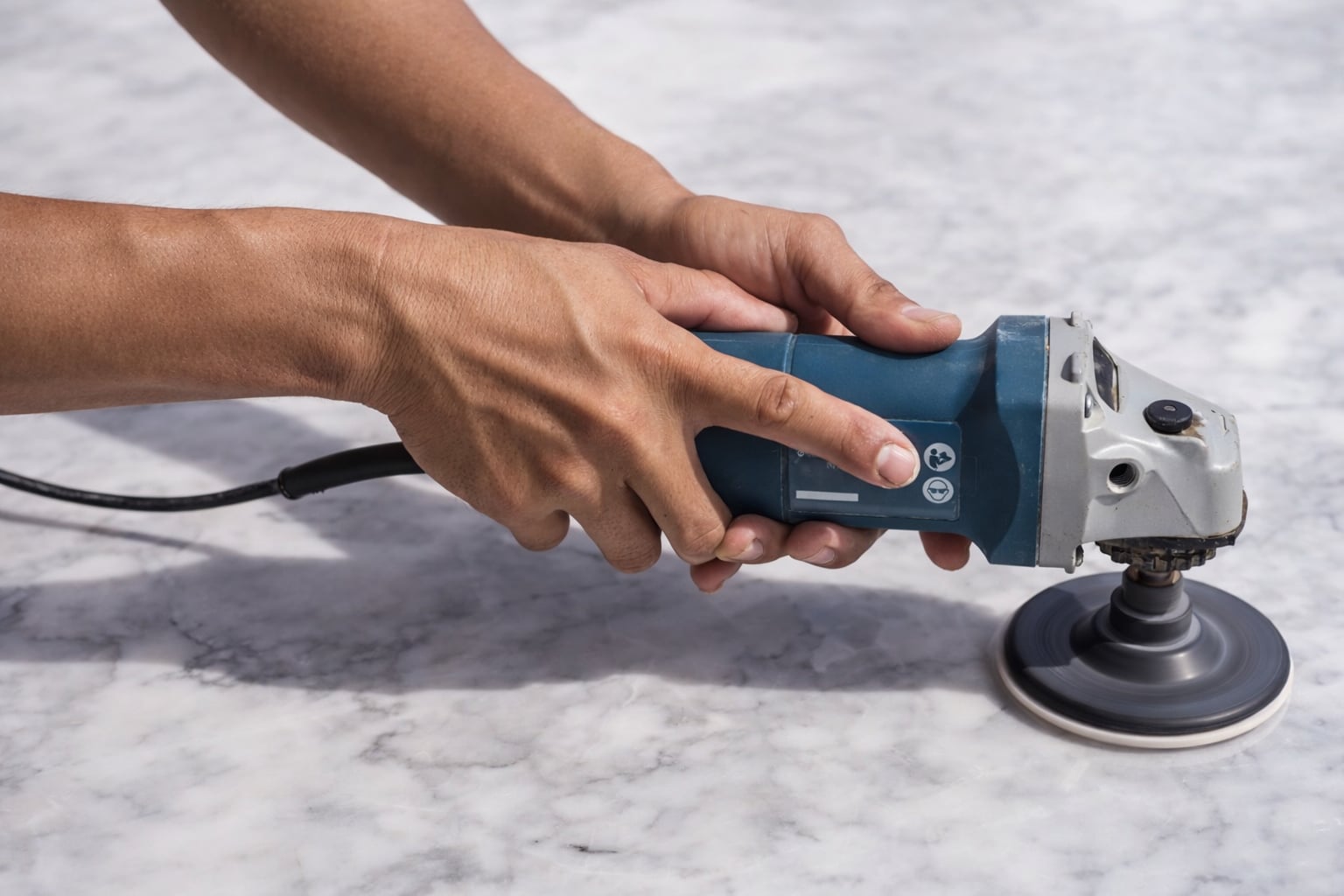
Dull or scratched marble restored to a high-gloss mirror finish using a controlled diamond polishing sequence. Suitable for floors, walls, countertops, and feature surfaces in lobbies, corridors, and hotel common areas.
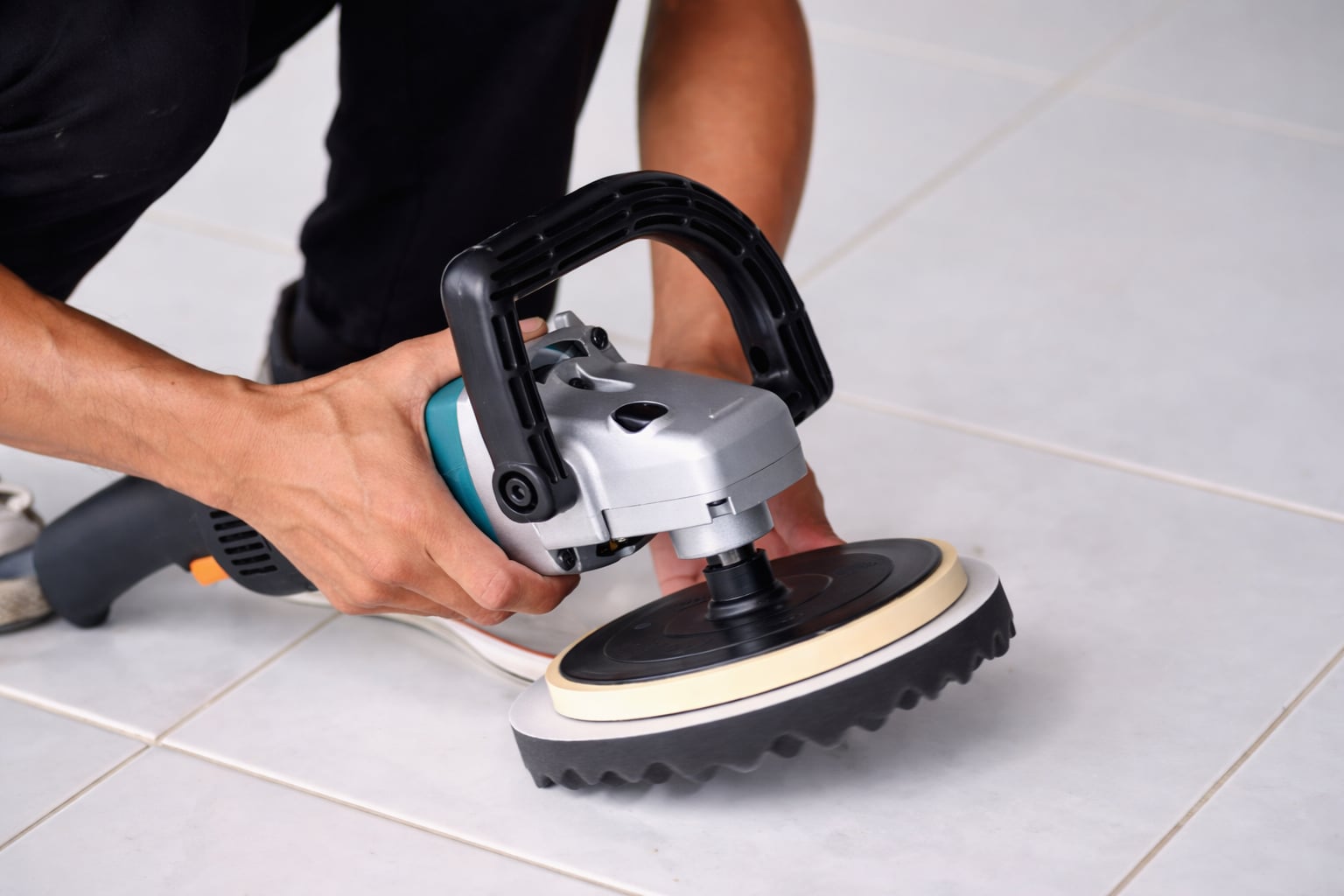
Uneven tiles, lippage, surface scratches, and deep damage removed using diamond grinding pads. Brings the stone surface to a uniform level before polishing begins. Required where surface damage is beyond polishing alone.
Crystal polishing compound applied and worked into the marble surface under heat, creating a hard crystalline layer that enhances gloss and improves durability. Extends the life of the polished finish significantly.
Granite surfaces cleaned of grease, staining, and surface contamination using appropriate stone-safe agents. High-gloss restoration and re-sealing applied where the existing finish has dulled or been damaged.
Organic, oil-based, and mineral stains identified and treated using appropriate poultice or chemical treatment matched to the stain type and stone porosity. Treatment applied before polishing to ensure a clean, even finish.
Stone sealed after every restoration treatment using penetrating or surface sealers matched to the stone type and usage. Sealing prevents moisture ingress, staining, and surface wear, protecting the restored finish.
Between full restorations, periodic maintenance visits maintain the stone's finish through light polishing, resealing, and surface treatment. Scheduled programmes for hotels, corporate lobbies, and residential societies available on monthly or quarterly cycles.
Completed areas inspected under controlled lighting before crew departure. Any areas requiring touch-up addressed on-site. Post-treatment report shared via WhatsApp and email covering treatment applied, areas completed, and observations.
ISO 9001:2015 Quality Management
ISO 9001:2015 aligned · Treatment sequencing · Documented processes
Stone-Safe Chemical and Abrasive Handling
Stone-matched products · Manufacturer-approved · No surface damage
Trained Technicians and Supervised Deployments
Diamond tooling trained · Surface-assessed · Supervisor sign-off
Facilities services designed for your organisation
Need more than cleaning services? Discover more on our core services and integrated solutions.

What Property and Facility Managers Ask Before Commissioning a Stone Care Programme
Questions about the difference between marble cleaning and polishing, whether polishing damages stone, how often restoration is needed, whether stained or damaged marble can be treated, whether granite and other stone types are covered, and why sealing after every treatment matters.
Ask Us DirectlyYour Stone Deserves to Look Like Stone Again.
Tell us your stone type, area, and current condition. We will assess the surface and share a restoration plan within 48 hours.