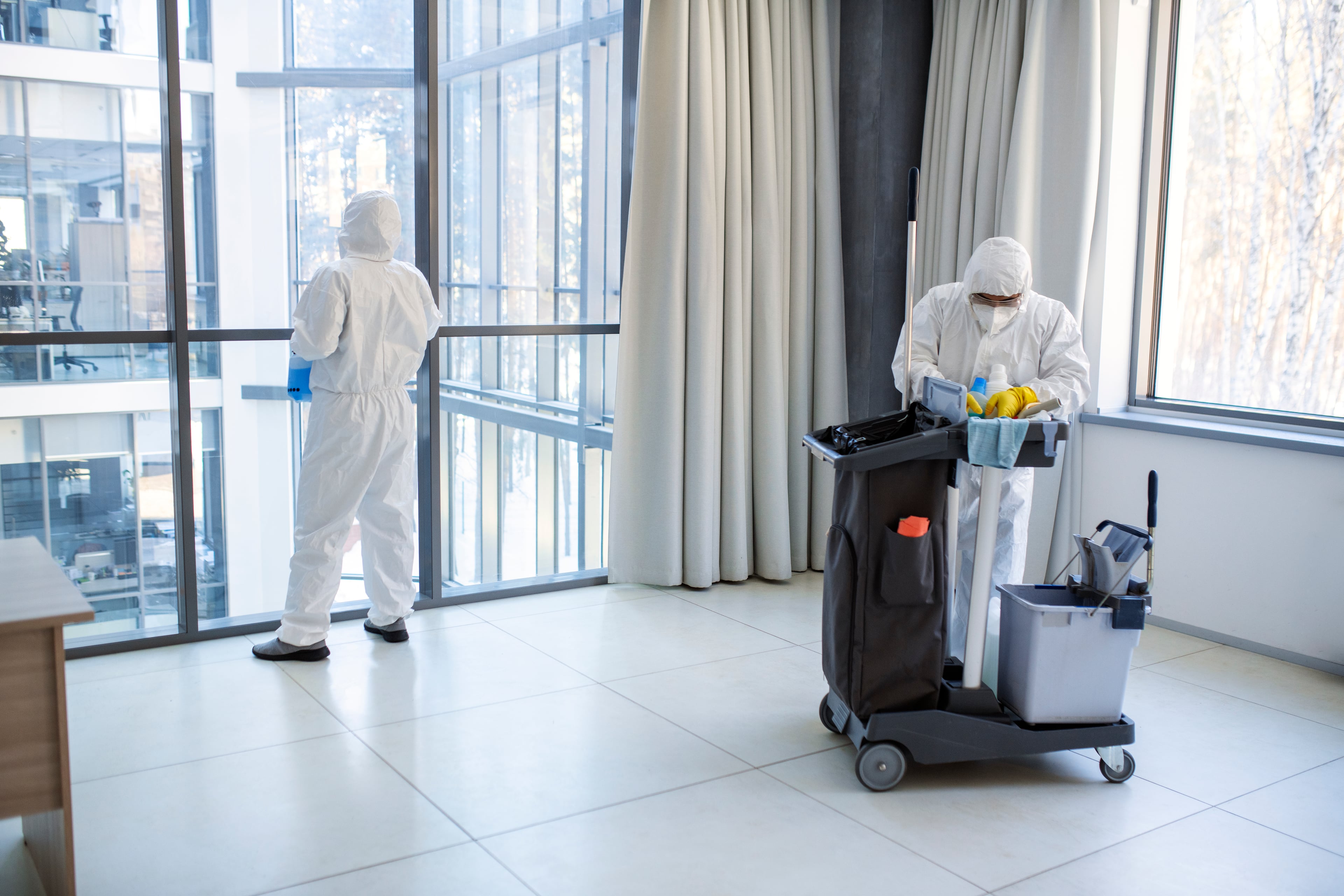
Sanitization and Disinfection Services for Facilities and Commercial Spaces
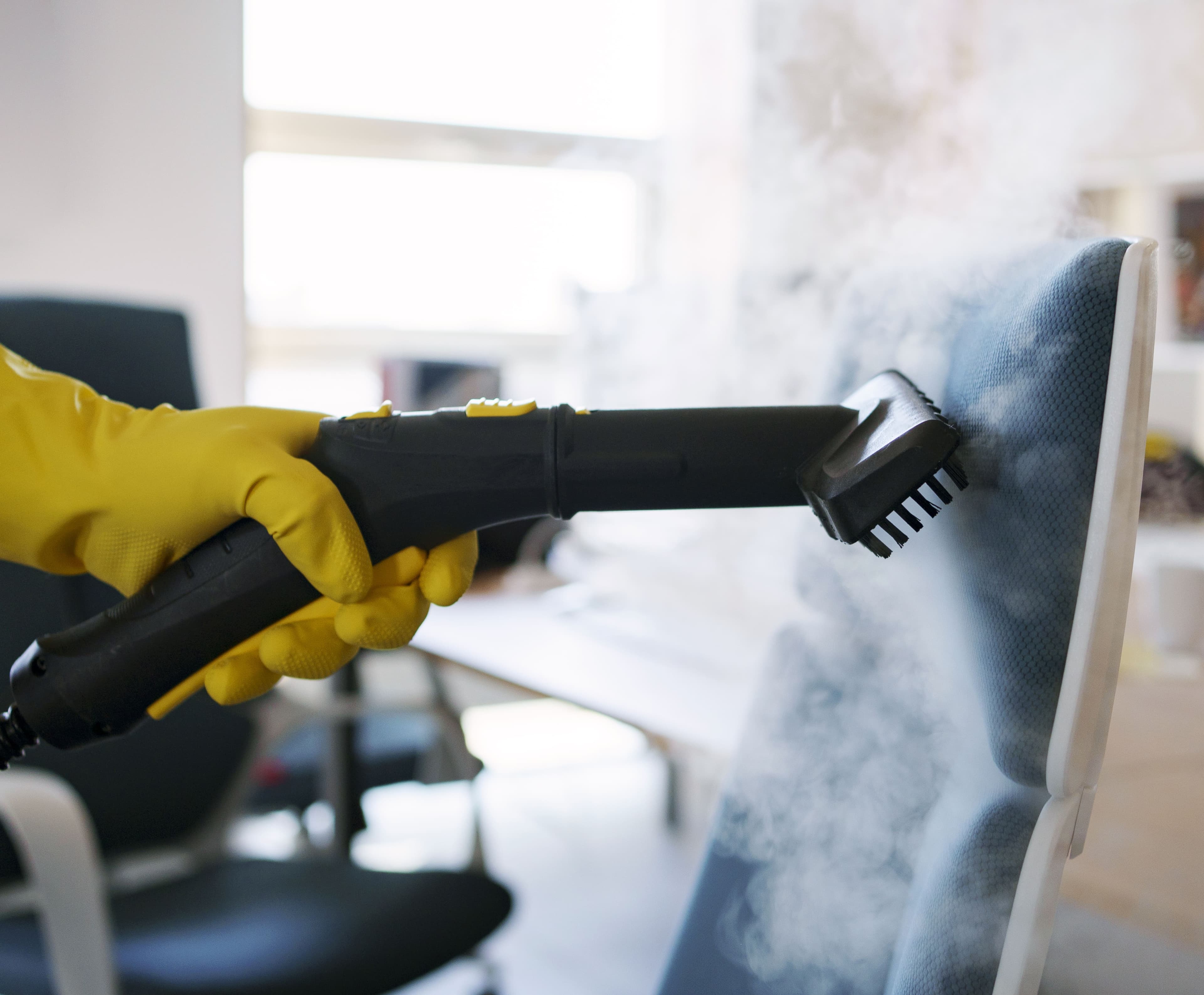
Scheduled sanitization and disinfection for offices, commercial kitchens, healthcare facilities, and residential societies. Chemical surface disinfection and fogging programmes aligned with your compliance calendar and delivered with documented completion reports.
Sanitization and Disinfection Services for Facilities and Commercial Spaces
Scheduled sanitization and disinfection for offices, commercial kitchens, healthcare facilities, and residential societies. Chemical surface disinfection and fogging programmes aligned with your compliance calendar and delivered with documented completion reports.
Sanitization That Runs on a Schedule, Not a Scare
SCFM delivers scheduled sanitization and disinfection programmes for facilities where hygiene compliance is a standing requirement. Surface disinfection, fogging, and treatment documentation are handled as a recurring service, mapped to your audit calendar and facility type.
Every Surface Treated. Every Deployment Documented
Scheduled. Compliant. Documented.
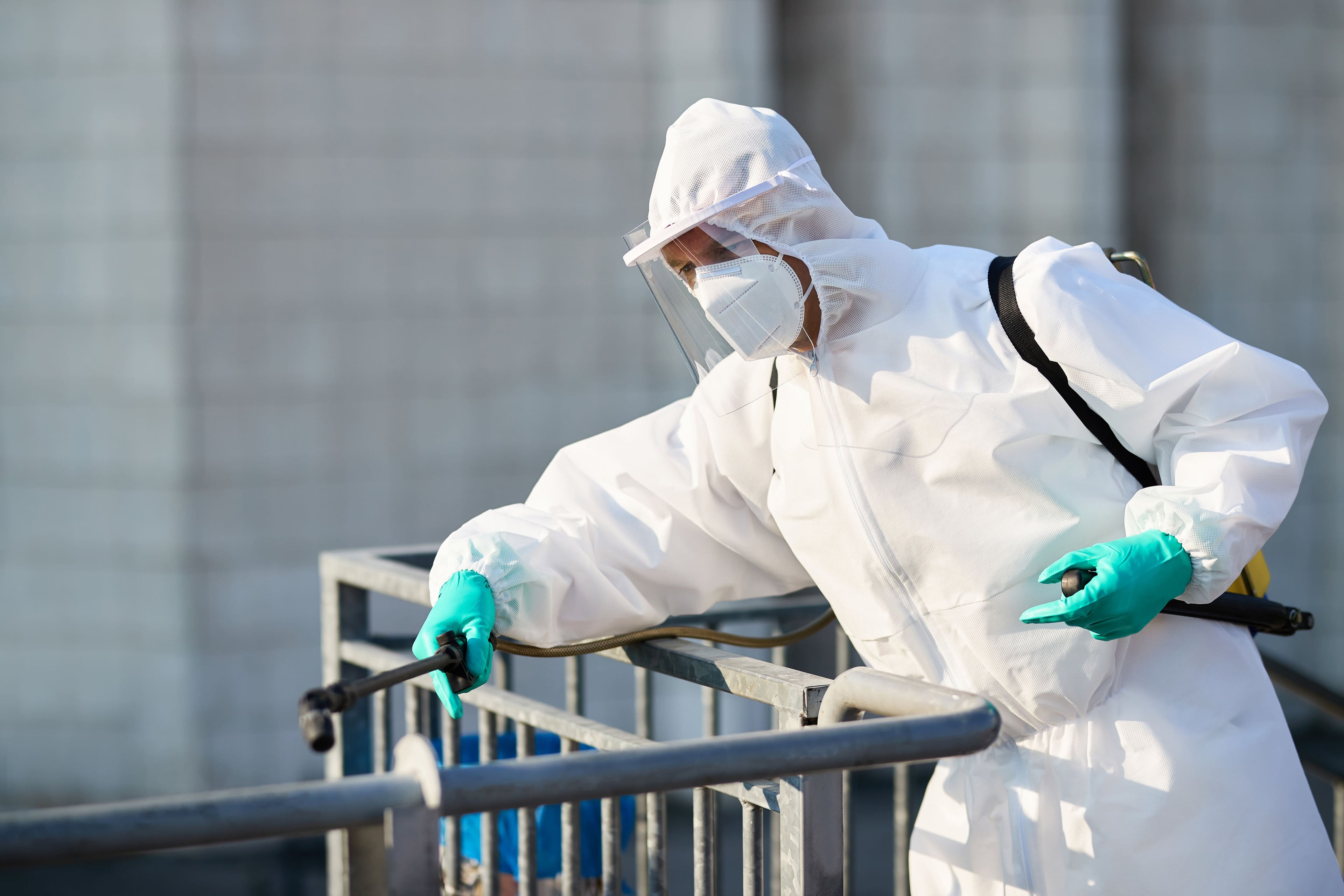
Every SCFM sanitization and disinfection deployment is planned to your facility's compliance requirements, uses the correct method and agent for each area, and is documented with a completion report shared after every visit.
Facility assessed to determine sanitization frequency, areas requiring treatment, applicable regulatory standards, and agent selection. Programme scope and deployment schedule confirmed in writing before work begins.
All high-contact surfaces including door handles, lift buttons, switches, railings, countertops, shared equipment, and workstations treated with approved chemical disinfectants. Contact times adhered to as per agent specification.
Fogging deployed in open areas, corridors, common spaces, warehouses, and zones where surface-by-surface treatment is impractical. Agent selection matched to room volume, surface type, and occupancy requirements.
All food preparation surfaces, counters, equipment exteriors, storage areas, and food-contact zones treated with FSSAI-compliant sanitizing agents. Agent dilution, contact time, and rinse protocol managed to food safety standards.
Clinical zones, waiting areas, treatment surfaces, and high-risk touch points treated with hospital-grade disinfectants. Protocols matched to the infection control requirements of your facility type.
All washroom and wet area surfaces, fixtures, and fittings sanitized with appropriate agents. Drain points, grout surfaces, and high-touch hardware treated as part of the standard deployment scope.
Lobbies, reception areas, waiting zones, lift interiors, and common corridors treated on every deployment cycle. Frequency and method confirmed based on footfall volume and facility type.
Common areas, stairwells, lift cabins, gate areas, amenity zones, and parking levels treated on a scheduled programme. Deployment timed to minimise disruption to residents.
A completion report generated after every deployment covering areas treated, agents used, dilution ratios, method applied, and crew deployed. Shared via WhatsApp and email and formatted for audit and regulatory submission.
ISO 9001:2015 Quality Management
ISO 9001:2015 aligned · Agent selection · Documented processes
FSSAI-Aligned Sanitization Protocols
FSSAI-compliant agents · Dilution-controlled · Food surface safe
WHO and MSDS-Compliant Chemical Handling
WHO-guidelines compliant · MSDS maintained · Trained operators
Facilities services designed for your organisation
Need more than cleaning services? Discover more on our core services and integrated solutions.
What Facility and Compliance Managers Ask Before Starting a Sanitization Programme
Questions about the difference between sanitization and disinfection, how often programmes should run by facility type, which agents and methods are used, operational disruption, whether reports support regulatory audits, and whether the service scales to both large campuses and smaller standalone offices.
Ask Us DirectlyYour Compliance Calendar Has a Date. Let's Put Us On It.
Tell us your facility type, area, and compliance requirement. We will design a sanitization programme and share a proposal within 48 hours.