15 Warning Signs Your Factory Needs Professional Deep Cleaning
Discover the top warning signs that indicate your factory needs professional deep cleaning. Learn how industrial cleaning improves safety, productivity, hygiene and audit readiness.
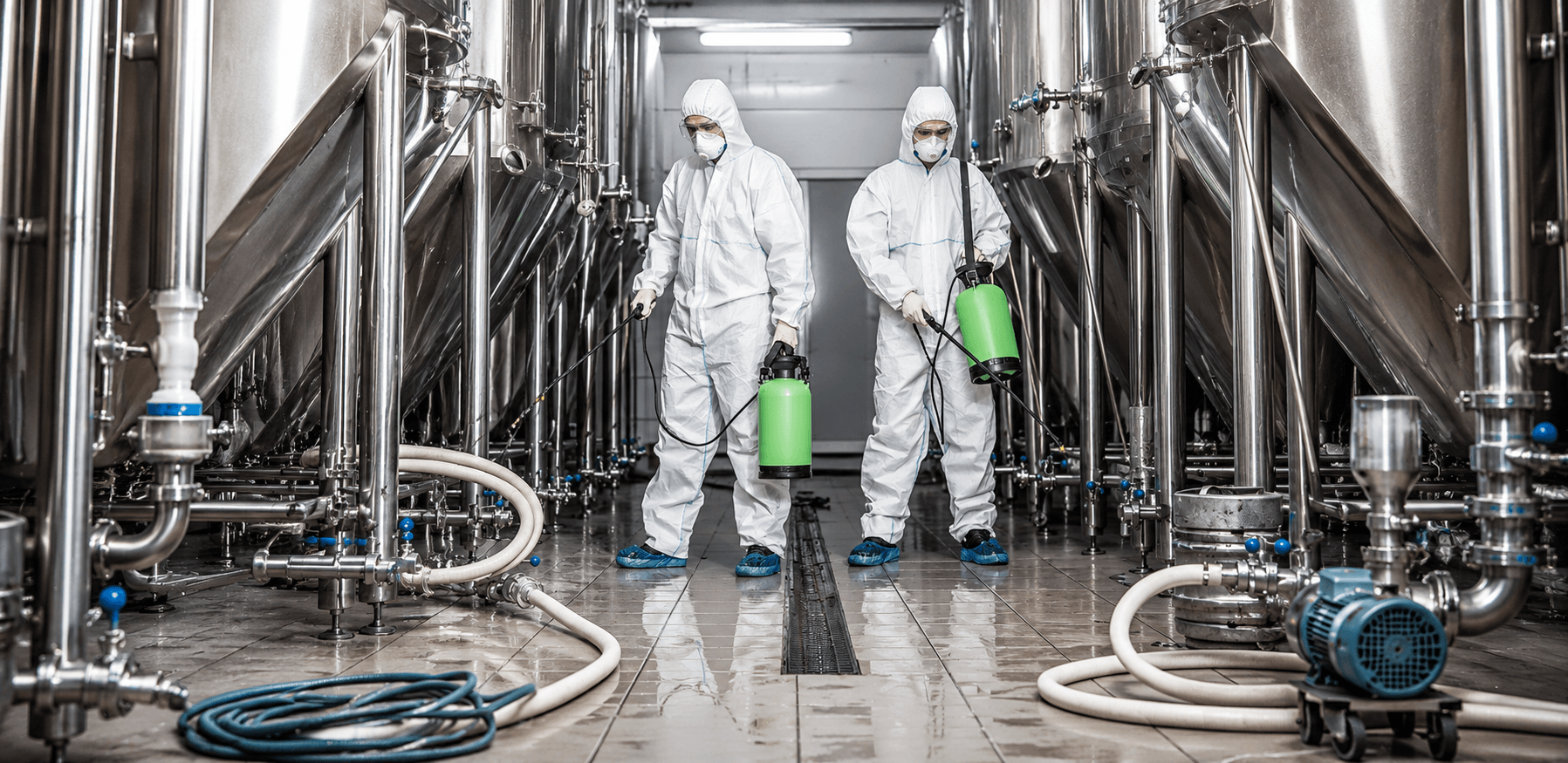
A factory does not become heavily contaminated in a single day. Industrial dust, oil stains, grease, chemical residues, production waste and forklift tyre marks accumulate gradually through continuous manufacturing, material handling and day-to-day operations. While routine housekeeping helps maintain basic cleanliness, it often cannot remove deep industrial contamination that builds up over weeks and months. As a result, many facilities continue operating with hidden cleaning issues that eventually affect workplace safety, equipment performance and overall operational efficiency.
One of the biggest mistakes industries make is ignoring the early warning signs. Small oil leaks, excessive dust around machinery, dirty warehouse floors or cluttered production areas may appear insignificant at first, but if left unattended, these issues can quickly develop into larger operational challenges. Delaying professional factory deep cleaning often leads to increased maintenance costs, higher safety risks, poor housekeeping standards and a less professional working environment. During the monsoon season, additional challenges such as mud, water seepage and slippery floors further increase the need for timely industrial cleaning.
Professional Factory Deep Cleaning is not just about improving the appearance of a facility — it plays an important role in maintaining employee safety, supporting smoother production processes and preparing factories for customer visits, ISO audits and regulatory inspections. Identifying the warning signs early allows businesses to address contamination before it affects productivity or results in costly corrective measures.
In this guide, we explore 15 warning signs that indicate your factory may need professional deep cleaning. Whether you operate a manufacturing unit, warehouse, engineering facility, logistics centre or industrial plant, understanding these indicators will help you make informed decisions, maintain higher housekeeping standards and create a cleaner, safer and more efficient workplace.
Why Do Factories Ignore Early Warning Signs?
In many industrial facilities, cleaning is often viewed as a routine housekeeping activity rather than an essential part of preventive maintenance. As long as production continues without major interruptions, issues such as oil stains, industrial dust, grease buildup or warehouse dirt are frequently overlooked. However, these seemingly minor problems accumulate over time and can eventually affect workplace safety, equipment maintenance and operational efficiency. Understanding why factories delay professional deep cleaning helps explain why many businesses end up spending significantly more on corrective maintenance than they would have on preventive cleaning.
Manufacturing facilities operate under strict production deadlines, making it difficult to allocate time for comprehensive cleaning. Plant managers often prioritize production targets over facility maintenance, believing that cleaning can be postponed until operations slow down. As a result, contaminants continue to build up around machinery, production lines and warehouse floors, making future cleaning more complex and time-consuming.
Many businesses assume that daily housekeeping is sufficient to maintain a clean factory. While routine cleaning removes visible dust and waste, it cannot eliminate deeply embedded oil stains, grease deposits, forklift tyre marks or industrial contaminants that accumulate in high-traffic areas. Without periodic deep cleaning, these hidden issues continue to worsen despite regular housekeeping efforts.
Facility owners and operations teams may not always recognise the early signs that indicate the need for professional factory deep cleaning. Because contamination develops gradually, changes in floor condition, machinery cleanliness or warehouse hygiene often go unnoticed until they become obvious. This lack of awareness delays timely intervention and allows problems to escalate.
Many factories schedule maintenance for machinery but fail to include professional deep cleaning as part of their preventive maintenance programme. Without a structured cleaning schedule, industrial contaminants continue to accumulate throughout the year, increasing the likelihood of equipment deterioration, housekeeping issues and workplace hazards.
Some organisations postpone deep cleaning to reduce short-term operating expenses. While this may appear to save money initially, delaying professional cleaning often results in higher long-term costs. Stubborn oil stains become harder to remove, accumulated grease requires more intensive cleaning, damaged flooring may need repairs and poor housekeeping can negatively impact safety inspections and customer visits. Investing in preventive factory deep cleaning is generally far more cost-effective than dealing with the consequences of prolonged neglect.
Ignoring early warning signs rarely makes the problem disappear — it usually makes it more expensive to fix. As contamination accumulates, cleaning requires more time, specialised equipment and greater labour. At the same time, businesses face increased risks of workplace accidents, higher maintenance costs, reduced operational efficiency and poor impressions during client visits or quality audits. By scheduling professional factory deep cleaning before these issues become severe, organisations can protect their facilities, maintain safer working conditions and reduce overall maintenance costs while supporting smooth day-to-day operations.
15 Warning Signs Your Factory Needs Professional Deep Cleaning
Oil stains around industrial machinery are one of the earliest and most obvious indicators that a factory requires professional deep cleaning. Hydraulic systems, compressors, pumps and production equipment often develop minor oil leaks during regular operations. While these leaks may initially appear harmless, they gradually spread across factory floors, attracting dust, dirt and production waste. Over time, the affected area becomes increasingly difficult to clean using ordinary mops or basic housekeeping methods.
Persistent oil contamination is more than just a cosmetic issue. Oily floors create slip hazards that increase the risk of workplace accidents, particularly in high-traffic production areas where employees and forklifts operate continuously. In addition, accumulated oil can make routine maintenance more challenging by contaminating surrounding equipment and creating an unhygienic working environment.
Professional Factory Deep Cleaning uses industrial-grade degreasers, heavy-duty floor scrubbers and specialized cleaning equipment to break down stubborn oil deposits without damaging industrial flooring. Removing these stains not only improves the appearance of the facility but also enhances employee safety, supports preventive maintenance and helps maintain professional housekeeping standards. If oil stains continue to reappear despite routine cleaning, it is a clear indication that your facility needs comprehensive industrial deep cleaning rather than basic housekeeping.
Forklifts are essential for material handling in factories, warehouses and logistics facilities, but constant vehicle movement leaves behind black rubber tyre marks, dirt trails and embedded grime across industrial floors. Initially, these marks may seem like a normal part of daily operations. However, when tyre marks remain visible even after regular cleaning, it indicates that surface-level housekeeping is no longer sufficient.
Tyre marks often accumulate in loading docks, warehouse aisles, dispatch zones and production areas where forklifts operate throughout the day. Over time, rubber deposits mix with oil, dust and industrial contaminants, creating stubborn stains that reduce the professional appearance of the facility. These contaminated floors can also become slippery, particularly during the monsoon season when moisture combines with accumulated dirt.
Professional Industrial Floor Cleaning utilizes ride-on scrubber dryers, walk-behind floor scrubbers and specialized cleaning solutions designed specifically to remove embedded tyre marks without damaging concrete or epoxy flooring. Restoring clean factory floors not only improves workplace aesthetics but also contributes to safer movement of employees, forklifts and other industrial equipment. If tyre marks continue to accumulate despite routine maintenance, scheduling professional Factory Deep Cleaning is a cost-effective solution that restores both cleanliness and operational safety.
Industrial dust is one of the most common yet frequently overlooked problems in manufacturing facilities. Every production process generates some level of dust, whether from machining, packaging, material handling, cutting, grinding or product movement. Although routine housekeeping removes visible dust from floors, fine particles continue to settle on machinery, electrical panels, storage racks, ceilings, ventilation systems and other hard-to-reach areas.
As dust accumulates, it affects more than just the appearance of the factory. Excessive dust can interfere with machinery performance, increase equipment maintenance requirements and create an uncomfortable working environment for employees. In warehouses, dust settling on storage racks and inventory may also impact product presentation and overall housekeeping standards.
Professional Factory Deep Cleaning goes beyond ordinary sweeping by using industrial vacuum systems, specialized dust extraction equipment and systematic cleaning techniques to remove accumulated dust from both visible and inaccessible areas. This comprehensive approach improves workplace hygiene, protects equipment from excessive contamination and creates cleaner production environments that support efficient day-to-day operations. If employees frequently notice dusty surfaces shortly after routine cleaning, it is a strong indication that your facility requires professional industrial deep cleaning.
Industrial machinery operates continuously under demanding conditions, making grease accumulation inevitable around production equipment, machine foundations and maintenance areas. While lubricants are essential for smooth machine operation, excess grease gradually collects dust, metal particles and production debris, forming thick layers of contamination that routine housekeeping cannot effectively remove.
Machine grease not only affects the appearance of the production floor but also makes maintenance activities more difficult. Greasy surroundings can reduce accessibility for maintenance personnel, increase cleaning time during equipment servicing and contribute to poor housekeeping standards throughout the facility. In some cases, accumulated grease may also create slippery work areas, increasing safety risks for employees working around machinery.
Professional Machinery Area Cleaning focuses specifically on removing grease deposits using industrial degreasers, specialized cleaning equipment and safe cleaning procedures suited to industrial environments. Regular deep cleaning around machinery improves workplace cleanliness, supports preventive maintenance programmes and creates a more organized production environment. If grease continues to accumulate around equipment despite regular housekeeping, it is a clear sign that a professional factory deep cleaning service is required to restore cleanliness and maintain operational efficiency.
Warehouses experience continuous movement of pallets, forklifts, inventory and personnel throughout the day, making them particularly vulnerable to dirt accumulation. Dust, packaging debris, tyre marks, pallet residue and operational waste gradually build up across warehouse floors, especially in receiving areas, storage aisles and dispatch zones. Although daily sweeping may remove loose dirt, deeply embedded contaminants often remain trapped within the floor surface.
Dirty warehouse floors affect more than visual appearance. Accumulated dust and debris can interfere with material handling operations, reduce workplace safety and create an untidy environment that reflects poorly during customer visits or operational audits. During the monsoon season, additional mud and moisture entering through loading docks further worsen warehouse cleaning challenges.
Professional Warehouse Deep Cleaning uses industrial scrubber dryers, high-performance cleaning equipment and specialized cleaning methods to restore warehouse floors to a cleaner, safer condition. Cleaning also extends to pallet storage areas, dispatch zones and rack surroundings, ensuring a more organized and hygienic warehouse environment. If your warehouse continues to look dirty despite routine housekeeping, it is a strong indication that professional deep cleaning is needed to maintain operational efficiency and uphold high housekeeping standards.
A cluttered production area is often one of the earliest signs that routine housekeeping is no longer keeping pace with daily manufacturing activities. As production continues, packaging materials, raw material residue, production waste, dust and unused equipment gradually accumulate around workstations, machine foundations and walkways. While these items may seem insignificant individually, together they create an untidy working environment that affects operational efficiency and employee safety.
Cluttered production floors make it difficult for employees to move freely, transport materials and perform routine maintenance. They can also obstruct emergency exits, increase the risk of trips and falls and make it harder to identify oil leaks or equipment issues that require immediate attention. In busy manufacturing facilities, even small housekeeping issues can quickly escalate into larger operational problems if not addressed in time.
Professional Factory Deep Cleaning includes systematic removal of production waste, cleaning around machinery, floor scrubbing, dust removal and organisation of operational areas. By restoring clean and organised production spaces, businesses can improve workflow efficiency, maintain higher housekeeping standards and create a safer working environment. If your production floor appears increasingly cluttered despite regular cleaning, it is a clear indication that professional industrial deep cleaning is required.
Loading docks are among the busiest areas in any industrial facility. Every day, trucks, forklifts and material handling equipment move through these areas, bringing in mud, dust, tyre marks, packaging waste and other contaminants. During the monsoon season, the problem becomes even more severe as rainwater carries mud and debris into loading bays, creating slippery surfaces and unsafe working conditions.
Routine sweeping is often insufficient to remove the heavy contamination found in loading docks. Oil leaks from transport vehicles, accumulated dirt, blocked drains and water stagnation make these areas difficult to maintain without specialised equipment. Dirty loading docks also affect the overall appearance of the facility and can create a poor impression during customer visits or supplier inspections.
Professional Loading Dock Deep Cleaning uses industrial scrubbers, high-pressure jet machines and industrial vacuum systems to remove stubborn dirt, mud, oil stains and accumulated debris. Drainage areas are also cleaned to improve water flow and reduce the risk of waterlogging during heavy rainfall. Maintaining clean loading docks supports safer logistics operations, improves housekeeping standards and ensures smoother movement of goods throughout the facility.
Employees spend several hours each day inside production areas, warehouses and industrial facilities. When workers begin regularly reporting dirty floors, excessive dust, unpleasant odours, greasy surfaces or cluttered workspaces, these complaints should never be ignored. Employees are often the first to notice deteriorating housekeeping standards because they interact with the facility throughout the day.
Poor workplace cleanliness can negatively affect employee morale, comfort and productivity. Dust settling on workstations, oil-contaminated floors, dirty washrooms and cluttered production areas create an environment that feels neglected and may reduce overall job satisfaction. In some cases, poor housekeeping can also increase the likelihood of slips, trips and other workplace accidents.
Professional Factory Deep Cleaning addresses these concerns by thoroughly cleaning production areas, warehouse floors, machinery surroundings, utility spaces and common areas. A cleaner workplace not only improves employee confidence but also demonstrates the company's commitment to providing a safe, hygienic and professional working environment. Investing in industrial deep cleaning shows employees that workplace safety and cleanliness remain important organisational priorities.
The monsoon season brings unique cleaning challenges for factories and warehouses across Mumbai, Navi Mumbai and Thane. Continuous rainfall often results in water seepage, muddy entrances, slippery walkways and standing water around loading docks, warehouse floors and production areas. If water stagnation becomes a recurring issue during the rainy season, it is a strong indication that your facility requires professional deep cleaning.
Standing water creates multiple operational challenges. Besides making floors slippery, excess moisture attracts dirt, spreads contamination and increases housekeeping requirements throughout the facility. Mud carried inside by vehicles and employees quickly spreads across production floors and warehouse aisles, making routine cleaning ineffective.
Professional Monsoon Factory Deep Cleaning includes removal of accumulated mud, cleaning of water-affected areas, floor scrubbing, drain cleaning and restoration of high-traffic operational zones. Industrial cleaning teams also identify moisture-prone areas that require additional attention throughout the rainy season. By maintaining cleaner floors and improving drainage around operational areas, businesses can reduce safety risks and ensure smoother operations during periods of heavy rainfall.
Factories involved in chemical processing, pharmaceuticals, engineering, manufacturing and industrial production frequently generate residues during normal operations. These residues may accumulate around machinery, workstations, production lines and storage areas over time. While routine housekeeping removes visible dirt, specialised contaminants often remain on industrial surfaces, gradually affecting workplace cleanliness and housekeeping standards.
Chemical residues can attract dust, create sticky surfaces and make production areas increasingly difficult to maintain. In some industries, accumulated residue may also interfere with routine maintenance activities by making machinery surroundings harder to access and clean. Delaying professional cleaning allows contamination to build up further, increasing the time and effort required for restoration.
Professional Factory Deep Cleaning uses appropriate industrial cleaning solutions and specialised equipment to remove accumulated residue safely and effectively according to the nature of the facility and operational requirements. Cleaning teams assess the type of contamination before selecting suitable cleaning methods, ensuring effective cleaning while protecting industrial flooring and surrounding equipment. Regular deep cleaning of production lines helps maintain cleaner work environments, improves housekeeping standards and supports efficient day-to-day manufacturing operations.
While production floors often receive the most attention, washrooms and utility areas are equally important in maintaining an organised and hygienic industrial facility. Areas such as employee washrooms, changing rooms, pantries, electrical rooms, staircases, corridors and service rooms experience continuous daily usage but are frequently overlooked during routine housekeeping. Over time, these spaces accumulate dirt, dust, stains and waste, creating an environment that negatively impacts employee experience and workplace hygiene.
Poorly maintained washrooms can affect employee morale and leave a negative impression on visitors, auditors and business partners. Similarly, dirty utility areas filled with dust and clutter reduce overall housekeeping standards and make maintenance activities more difficult. These neglected spaces often become indicators of how seriously an organisation approaches facility management.
Professional Factory Deep Cleaning includes comprehensive cleaning of washrooms, utility rooms, staircases, corridors, service areas and common spaces using industrial cleaning equipment and specialised cleaning chemicals. Every surface is cleaned, sanitised and restored to maintain a cleaner and more hygienic environment. If your washrooms or utility areas consistently appear untidy despite routine housekeeping, it is a clear indication that your facility requires professional deep cleaning to restore high standards of cleanliness and workplace hygiene.
Every factory eventually receives visitors, whether they are customers, suppliers, consultants, investors, government officials or business partners. Long before they evaluate your products or processes, they notice the condition of your facility. Dirty factory floors, excessive dust, cluttered work areas, oil stains and poorly maintained common spaces create an immediate negative impression that can influence their perception of your business.
A well-maintained factory reflects professionalism, operational discipline and attention to detail. Conversely, poor housekeeping may raise concerns about quality control, maintenance practices and overall management standards, even when production quality is excellent. For export-oriented businesses and manufacturers serving multinational companies, facility presentation plays an increasingly important role during customer visits and vendor assessments.
Professional Factory Deep Cleaning helps businesses maintain production areas, warehouses, office spaces and common areas in a condition that reflects professionalism at all times. Clean floors, organised workspaces and hygienic facilities demonstrate a commitment to operational excellence and create confidence among customers and business partners. If visitors regularly comment on the cleanliness of your facility — or if management feels the need to apologise for housekeeping during inspections — it is time to invest in professional industrial deep cleaning.
Preparing for an ISO certification, customer audit or safety inspection is one of the most common reasons businesses schedule professional Factory Deep Cleaning. Auditors evaluate more than production quality — they also assess workplace organisation, housekeeping practices, safety standards and overall facility maintenance. Dust accumulation, oil contamination, blocked walkways, cluttered production areas and poorly maintained warehouses can all raise concerns during inspections.
Many organisations wait until just before an audit to address cleaning issues, making preparation stressful and often more expensive. Facilities that maintain regular deep cleaning schedules are typically better prepared throughout the year and require fewer last-minute corrective actions before inspections.
Professional Factory Deep Cleaning helps restore production floors, warehouses, machinery areas, loading docks, utility rooms and office spaces to high housekeeping standards. Clean facilities not only create a positive impression during audits but also demonstrate a company's commitment to workplace safety and operational excellence. If your organisation has an upcoming ISO audit, customer inspection or regulatory visit, scheduling professional deep cleaning well in advance ensures your facility presents its best possible image while supporting audit readiness.
One of the clearest indicators that a factory requires immediate deep cleaning is an increase in slip, trip and fall incidents. Oil spills, grease deposits, muddy entrances, forklift tyre marks, water seepage and cluttered walkways all contribute to unsafe working conditions. Even minor incidents can lead to employee injuries, operational disruptions and increased maintenance costs if the underlying housekeeping issues are not addressed.
Slippery production floors and warehouse aisles become particularly dangerous during the monsoon season when water and mud are continuously brought into the facility. In many cases, routine mopping only spreads contamination instead of removing it completely. As a result, hazardous floor conditions persist despite daily housekeeping efforts.
Professional Factory Deep Cleaning uses industrial scrubber dryers, degreasers and specialised floor cleaning equipment to remove embedded contaminants and restore safer walking surfaces. Walkways, loading docks, production areas and warehouse floors are cleaned systematically to reduce slip hazards and improve workplace safety. If your organisation has experienced repeated slip-and-fall incidents or employees regularly report slippery floors, it is a strong indication that professional industrial cleaning should be prioritised immediately.
One of the simplest yet most overlooked warning signs is the passage of time. Even if your factory appears reasonably clean, industrial contamination gradually builds up every day through production activities, forklift movement, machinery operation and employee traffic. Oil residue, grease, industrial dust and hidden dirt continue to accumulate in areas that routine housekeeping cannot effectively reach.
Many businesses only schedule deep cleaning when obvious problems become visible. By that stage, contamination is usually extensive, requiring more labour, specialised equipment and longer cleaning durations. Waiting too long also increases maintenance requirements and allows workplace safety risks to develop unnoticed.
As a general guideline, most manufacturing facilities, warehouses and industrial plants should schedule professional Factory Deep Cleaning every three to six months, depending on production intensity and operational conditions. Facilities with heavy machinery, continuous manufacturing or high forklift movement may require even more frequent cleaning. If it has been more than six months since your last professional deep cleaning, your facility is likely overdue for a comprehensive inspection. A regular cleaning schedule helps maintain consistently high housekeeping standards while protecting your facility, equipment and long-term operational performance.
Why Ignoring These Warning Signs Costs More Than You Think
Many businesses view professional factory deep cleaning as an expense that can be postponed until the facility becomes visibly dirty. However, delaying deep cleaning often results in significantly higher operational costs over time. Industrial contamination does not remain static — it continues to build up with every production cycle, making future cleaning more difficult, increasing maintenance requirements and creating avoidable safety risks. What starts as a small oil stain, a layer of dust or a few tyre marks can eventually develop into costly operational problems that affect the entire facility.
Industrial dust, grease, oil and production waste gradually accumulate around machinery, production lines and warehouse floors. As contamination increases, maintenance teams spend more time cleaning equipment before servicing it, reducing productivity and increasing labour costs. In many cases, minor cleaning issues that could have been addressed through routine deep cleaning eventually require extensive restoration work, resulting in significantly higher maintenance expenses.
Machinery performs best in a clean operating environment. Dust settling on equipment, grease accumulation around moving parts and oil contamination can affect accessibility, increase wear and make routine maintenance more difficult. Professional deep cleaning helps maintain cleaner machinery surroundings, allowing maintenance teams to identify leaks, damage and potential issues more efficiently, contributing to better equipment reliability and longer operational life.
One of the biggest consequences of poor industrial housekeeping is workplace safety. Oil spills, forklift tyre marks, accumulated dust, water seepage during the monsoon and cluttered walkways all increase the likelihood of slips, trips and falls. Investing in regular Factory Deep Cleaning helps maintain cleaner floors, safer walkways and a more organised workplace, reducing many of the avoidable hazards associated with poor housekeeping.
A cluttered and poorly maintained factory can have a direct impact on operational efficiency. Employees working in dirty production areas often spend additional time navigating obstacles, locating equipment or dealing with housekeeping issues that interrupt normal workflows. By maintaining a cleaner working environment through scheduled deep cleaning, businesses create conditions that support smoother day-to-day operations and improved productivity.
Factory visits are common for customers, suppliers, auditors and potential business partners. The condition of your facility often influences their perception of your organisation's professionalism, operational discipline and commitment to quality. A professionally cleaned facility reflects strong housekeeping practices and reinforces confidence in your business.
Many industries undergo regular ISO audits, safety inspections and customer quality assessments. Excessive dust, oil contamination, blocked walkways and poorly maintained work areas may raise concerns during inspections and require corrective actions before certification or approval. Scheduling Factory Deep Cleaning before audits helps ensure production areas, warehouses and common areas meet expected cleanliness standards.
One of the biggest misconceptions is that delaying cleaning saves money. In reality, the opposite is usually true. Contaminants that remain on floors and machinery for extended periods become harder to remove, requiring more labour, specialised equipment and longer project durations. What could have been addressed through scheduled preventive cleaning may eventually require extensive restoration efforts. Regular professional deep cleaning helps prevent heavy contamination from developing, making future maintenance more manageable and often more cost-effective.
Professional Factory Deep Cleaning should be viewed as a preventive investment rather than a reactive expense. By addressing contamination before it becomes severe, businesses can maintain cleaner facilities, improve workplace safety, protect industrial infrastructure and support uninterrupted operations. A proactive cleaning schedule not only reduces long-term maintenance costs but also creates a safer, more productive and professional environment for employees, customers and auditors alike.
How Professional Factory Deep Cleaning Solves These Problems
Recognising the warning signs is only the first step. The real solution lies in adopting a structured Factory Deep Cleaning programme carried out by experienced industrial cleaning professionals. Unlike routine housekeeping, professional deep cleaning follows a systematic approach that combines detailed planning, industrial-grade equipment, trained manpower and specialised cleaning methods to restore cleanliness across production areas, warehouses, machinery zones and other critical operational spaces.
One of the biggest advantages of professional Factory Deep Cleaning is the use of specialised industrial equipment that delivers results beyond what manual cleaning can achieve. Cleaning teams use ride-on scrubber dryers, walk-behind scrubbers, industrial vacuum cleaners, high-pressure jet machines, wet and dry vacuum systems and heavy-duty floor scrubbers to remove stubborn oil stains, grease, forklift tyre marks, industrial dust and embedded dirt efficiently.
A professional deep cleaning project begins with a detailed site inspection to assess the facility layout, identify contamination levels and understand operational constraints. Based on this assessment, a customised cleaning plan is developed that outlines the areas to be cleaned, the equipment required, the cleaning sequence and the estimated project timeline.
Industrial cleaning requires specialised knowledge and practical experience. Professional cleaning personnel understand how to work safely around heavy machinery, production equipment, electrical installations and warehouse operations, following established cleaning procedures and using appropriate protective equipment.
Different contaminants require different cleaning solutions. Professional Factory Deep Cleaning uses industrial-grade degreasers, floor cleaners and specialised cleaning agents selected according to the type of contamination and floor surface, improving cleaning effectiveness while protecting industrial flooring and surrounding equipment.
The project typically begins with the removal of loose waste and debris, followed by dust extraction, industrial floor scrubbing, oil stain removal, grease cleaning and high-pressure washing where required. Utility rooms, loading docks, office areas and common spaces are also cleaned according to the project scope, with a final inspection to confirm cleaning objectives have been met.
Cleaning teams use appropriate Personal Protective Equipment (PPE), follow site-specific safety guidelines and coordinate closely with factory management before beginning work. Hazardous areas are identified in advance and appropriate warning signs or barriers are used wherever necessary.
Professional cleaning companies address production concerns by offering flexible scheduling options tailored to the client's operational requirements. Deep cleaning can be carried out during weekends, night shifts, public holidays, planned maintenance shutdowns or in carefully managed phases while production continues in other sections of the facility.
A professionally managed Factory Deep Cleaning project is designed to improve the facility without affecting productivity. Through careful planning, experienced manpower and efficient execution, cleaning activities are completed within agreed timelines while minimising operational downtime.
Factory Deep Cleaning is far more than a one-time cleaning exercise — it is an investment in the long-term performance of your facility. By combining advanced equipment, experienced professionals, structured planning and industry-approved cleaning methods, businesses can maintain cleaner workplaces, reduce maintenance challenges, improve employee safety and create an industrial environment that supports smooth and efficient operations throughout the year.
Industries That Should Never Ignore These Warning Signs
Every industry faces unique operational challenges, but one factor remains common across all sectors — a clean, well-maintained workplace is essential for safety, productivity and efficient operations. While routine housekeeping helps maintain daily cleanliness, periodic Factory Deep Cleaning is essential for industries where continuous production and heavy equipment generate significant contamination.
Engineering factories operate heavy machinery such as CNC machines, presses and fabrication equipment that continuously generate metal dust, cutting oil, grease and production waste, making routine housekeeping insufficient on its own.
Chemical manufacturing facilities often deal with process residues, dust, spills and operational contamination that require specialised cleaning methods for employee safety, equipment maintenance and regulatory compliance.
Warehouses experience constant movement of forklifts, pallets and inventory, resulting in tyre marks, dust accumulation and packaging debris that affect operational efficiency and inventory storage conditions.
Electronics manufacturing requires clean, organised production environments where excessive dust can interfere with sensitive components and assembly processes, making scheduled deep cleaning essential.
Packaging facilities generate paper dust, plastic scraps, adhesive residue and cardboard waste throughout production, which accumulate around machinery and reduce workplace efficiency if not cleaned regularly.
Food processing facilities require consistently high standards of cleanliness. Structured cleaning programmes that complement daily sanitation procedures help maintain cleaner floors, production areas and operational hygiene.
Logistics hubs operate continuously with heavy truck movement and loading activities, exposing docks and dispatch areas to mud, tyre marks and debris that require professional deep cleaning.
General manufacturing facilities face a combination of oil contamination, industrial dust, grease buildup and production waste that affect workplace appearance, maintenance requirements and safety over time.
Export-oriented manufacturing facilities frequently receive inspections from international buyers and auditors. Regular Factory Deep Cleaning keeps production areas and dispatch sections ready for quality assessments.
Administrative offices located within industrial facilities are often the first areas visited by customers and business partners. Office Deep Cleaning improves workplace hygiene and strengthens the company's professional image.
Regardless of the industry you operate in, ignoring early warning signs such as oil stains, excessive dust, grease buildup or poor housekeeping can eventually affect safety, operational efficiency and business reputation. Professional Factory Deep Cleaning helps industries maintain cleaner workplaces, improve employee safety, prepare for audits and customer visits, reduce long-term maintenance costs and create an environment that supports consistent business growth.
SCFM's Professional Factory Deep Cleaning Process
At SCFM IFM Services Pvt Ltd, we believe that successful industrial cleaning is achieved through a structured process rather than simply deploying manpower and equipment. We follow a systematic methodology that ensures every project is planned carefully, executed professionally and completed with minimal disruption to your operations.
Every project begins with a FREE on-site inspection conducted by our experienced industrial cleaning team. We assess production areas, machinery zones, warehouse floors, loading docks, utility rooms and office spaces to evaluate contamination levels and understand your operational requirements.
Once the inspection is complete, our team identifies the specific cleaning challenges affecting your facility - oil stains, grease buildup, industrial dust, tyre marks, warehouse dirt, chemical residues or blocked loading dock areas - to develop a cleaning strategy that addresses the actual root causes.
No two factories are identical, so we prepare a customized cleaning plan for every project - scope of work, priority areas, cleaning sequence, manpower requirements, estimated duration and scheduling options that consider your production timings.
Our team selects appropriate equipment such as ride-on scrubber dryers, walk-behind scrubbers, industrial vacuum cleaners and high-pressure jet machines, along with suitable industrial-grade cleaning chemicals and degreasers based on the type of contamination present.
Our trained industrial cleaning professionals begin execution following established safety procedures, starting with waste removal and surface preparation, followed by deep cleaning of factory floors, production areas, warehouse spaces, machinery surroundings and loading docks.
After cleaning is completed, our team conducts a comprehensive final inspection to verify that all designated areas have been cleaned according to the agreed standards, with corrective cleaning carried out before the project is officially completed.
Deep cleaning should not be a one-time activity. We provide customised Annual Maintenance Contract (AMC) recommendations based on your operations, including scheduled deep cleaning visits, periodic inspections and preventive cleaning programmes.
Why Choose SCFM IFM Services Pvt Ltd?
Choosing the right industrial cleaning partner is about more than hiring a company to clean your factory floors. It is about selecting a team that understands industrial operations, follows structured cleaning processes and delivers consistent results without affecting your day-to-day business. Every manufacturing facility has different challenges — whether it's heavy machinery, warehouse operations, continuous production or strict safety protocols. At SCFM IFM Services Pvt Ltd, we provide customized industrial cleaning solutions designed around the unique requirements of every client rather than offering a one-size-fits-all approach.
Serving industries across Mumbai, Navi Mumbai and Thane, we have built our reputation by delivering professional Factory Deep Cleaning, Warehouse Cleaning, Industrial Housekeeping and Commercial Cleaning services using trained manpower, industrial-grade equipment and systematic execution. Our objective is simple — to help businesses maintain cleaner, safer and more productive workplaces while ensuring minimal disruption to ongoing operations.
No two factories operate in the same way. Every project at SCFM begins with a detailed site inspection to understand your facility, identify problem areas and develop a customised cleaning plan tailored to your production processes, operational schedules and contamination levels.
SCFM uses advanced industrial cleaning machines including ride-on scrubber dryers, walk-behind floor scrubbers, high-pressure jet machines, industrial vacuum cleaners and heavy-duty degreasing equipment to remove stubborn contaminants that ordinary housekeeping cannot eliminate.
Industrial cleaning requires more than manpower — it requires experience, planning and technical understanding of industrial environments. Every project is supervised by experienced team leaders who ensure cleaning is carried out systematically and safely.
Safety is a core part of every cleaning project we undertake. Our cleaning teams use appropriate Personal Protective Equipment (PPE), safety signage and approved cleaning methods to minimise workplace risks and support safer day-to-day operations.
SCFM IFM Services Pvt Ltd proudly serves businesses across the Mumbai Metropolitan Region, providing industrial cleaning solutions to factories, warehouses, manufacturing units and commercial facilities located in major industrial hubs.
Many businesses require professional deep cleaning before customer visits, ISO audits, machinery installation, factory commissioning, maintenance shutdowns or special operational events. For such requirements, SCFM offers comprehensive one-time Factory Deep Cleaning services tailored to the specific objectives of each project. Whether the requirement is a single production floor, an entire warehouse or a complete industrial facility, our experienced team ensures thorough cleaning using the appropriate equipment and cleaning methods.
Maintaining a clean industrial facility is an ongoing process rather than a one-time activity. To help businesses maintain consistently high housekeeping standards throughout the year, SCFM offers customised Annual Maintenance Contracts (AMC). Our AMC programmes include scheduled deep cleaning visits, periodic inspections and preventive maintenance cleaning based on your operational requirements. This proactive approach helps prevent excessive contamination, improves workplace safety, reduces long-term maintenance costs and keeps facilities prepared for audits, inspections and customer visits at any time.
One of the biggest concerns for industrial businesses is production downtime during cleaning activities. At SCFM, every project is carefully planned to minimise operational disruption. Depending on your production schedule, cleaning can be performed during:
This flexible scheduling allows businesses to maintain productivity while benefiting from professional industrial cleaning services.
At SCFM IFM Services Pvt Ltd, we don't just clean facilities — we help businesses create safer workplaces, improve operational efficiency and maintain professional environments that reflect the highest standards of housekeeping. From customised cleaning plans and industrial-grade equipment to experienced professionals and flexible scheduling, every aspect of our service is designed to deliver long-term value.
Whether you require Factory Deep Cleaning, Warehouse Cleaning, Industrial Floor Cleaning, Industrial Housekeeping, One-Time Cleaning Projects or an Annual Maintenance Contract, our team is committed to providing reliable, high-quality cleaning solutions across Mumbai, Navi Mumbai and Thane.
Book your FREE Site Inspection today and discover how SCFM IFM Services Pvt Ltd can help keep your facility cleaner, safer and ready for business every day.
Conclusion
Maintaining a clean industrial facility is not simply about appearance — it is a critical part of ensuring workplace safety, operational efficiency and long-term business success. The warning signs discussed in this guide, from persistent oil stains and industrial dust to warehouse contamination and water seepage during the monsoon, are often early indicators that routine housekeeping is no longer sufficient. Ignoring these issues can lead to higher maintenance costs, increased safety risks, reduced productivity and poor impressions during customer visits or quality audits.
Professional Factory Deep Cleaning provides a proactive solution by addressing contamination before it develops into larger operational challenges. Through systematic planning, industrial-grade equipment and trained cleaning professionals, businesses can restore cleaner production areas, improve housekeeping standards and create safer environments for employees and visitors.
Whether you operate a manufacturing plant, warehouse, engineering unit, logistics facility or commercial industrial space, investing in periodic Factory Deep Cleaning is an investment in the long-term performance of your business. Rather than waiting for visible contamination or operational problems to arise, a preventive cleaning strategy helps maintain consistent standards while reducing future maintenance expenses.
At SCFM IFM Services Pvt Ltd, we provide customised industrial cleaning solutions across Mumbai, Navi Mumbai and Thane, backed by experienced professionals, industrial-grade equipment and flexible scheduling to minimise operational disruption. If you've noticed any of the warning signs discussed in this article, book your FREE Site Inspection today and let our experts assess your facility and recommend the most effective industrial cleaning solution tailored to your operational requirements.
Frequently Asked Questions
Common questions about factory deep cleaning warning signs.
Some of the earliest warning signs include persistent oil stains, excessive industrial dust, forklift tyre marks, grease buildup around machinery, dirty warehouse floors, cluttered production areas and recurring housekeeping issues. If these problems remain even after routine cleaning, it is usually a strong indication that professional Factory Deep Cleaning is required.
The ideal frequency depends on the type of industry, production volume and working environment. High-production manufacturing facilities and warehouses often benefit from scheduled deep cleaning every 3 to 6 months, while businesses with lighter operations may require annual deep cleaning.
No. Daily housekeeping is designed to maintain routine cleanliness by removing visible dust and waste. Professional Factory Deep Cleaning focuses on removing deeply embedded contaminants such as oil stains, grease, industrial dust and forklift tyre marks using specialised equipment and industrial-grade cleaning methods.
Yes, wherever operationally feasible. Depending on your production schedule, our team can carry out cleaning in phases, during weekends, night shifts or planned maintenance shutdowns. Every project is carefully planned to minimise disruption while maintaining workplace safety and cleaning quality.
Many oil stains and grease deposits can be significantly reduced or removed using industrial-grade degreasers, specialised floor scrubbers and professional cleaning equipment. The results depend on factors such as the age of the stain, floor material and level of contamination, which are assessed during our free site inspection.
Yes. Warehouses have different cleaning requirements compared to production facilities. Continuous forklift movement, pallet storage and dispatch operations generate dust, tyre marks and operational debris that require specialised Warehouse Deep Cleaning, including rack cleaning and loading area maintenance.
The monsoon is one of the most important times to schedule professional deep cleaning. Increased mud, moisture, water seepage and slippery floors can affect employee safety and housekeeping standards. Deep cleaning during the rainy season helps remove accumulated contamination.
Professional Factory Deep Cleaning is beneficial for a wide range of industries, including engineering, manufacturing, chemical processing, electronics, food processing, packaging, logistics, warehousing, pharmaceuticals and export units.
Yes. SCFM IFM Services Pvt Ltd offers customised Annual Maintenance Contracts (AMC) based on your facility size, operational requirements and production schedule, including scheduled deep cleaning visits and periodic inspections.
Booking a site inspection is simple. Contact our team by phone or through our website, and we will schedule a convenient visit to your facility. During the inspection, we assess your premises, identify cleaning challenges and recommend a customised industrial cleaning solution. There is no obligation, and the consultation is completely free.
Need Professional Factory Deep Cleaning in Mumbai, Navi Mumbai or Thane?
Whether you operate a manufacturing plant, engineering unit, warehouse, logistics facility or industrial office, SCFM IFM Services Pvt Ltd delivers customized deep cleaning solutions designed for industrial environments. Our experienced team uses industrial-grade equipment and proven cleaning methodologies to help businesses maintain cleaner, safer and audit-ready facilities.
+91 95294 53682