Warehouse Deep Cleaning Checklist: Everything You Should Inspect Every Quarter
Use our complete warehouse deep cleaning checklist to inspect floors, racks, loading docks, storage areas and inventory zones. Professional warehouse cleaning services across Mumbai, Navi Mumbai & Thane.
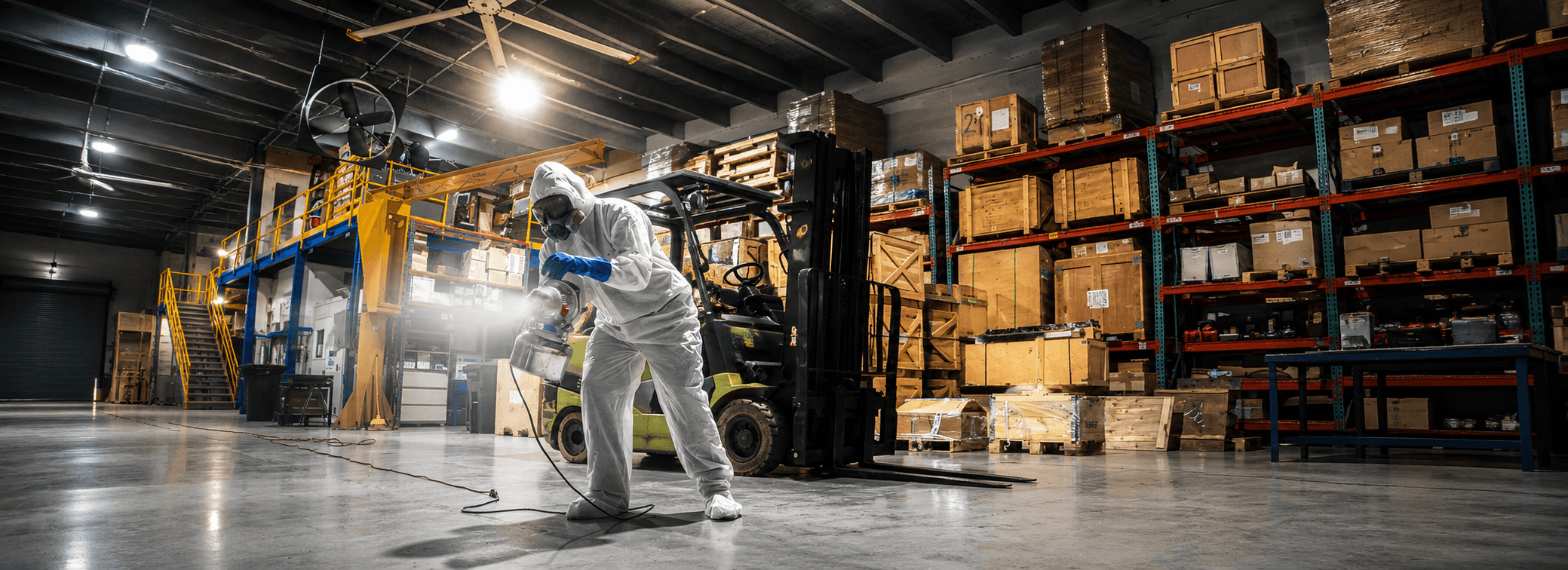
Warehouses are the backbone of modern supply chains, operating around the clock to store, manage and dispatch goods efficiently. Whether it's a logistics hub, FMCG distribution centre, pharmaceutical warehouse or e-commerce fulfilment facility, maintaining a clean and organised warehouse is essential for smooth operations. However, with constant forklift movement, continuous loading and unloading, high inventory turnover and daily foot traffic, dust, dirt, debris and contaminants accumulate faster than many businesses realise.
Unlike routine sweeping or housekeeping, warehouse deep cleaning focuses on removing hidden dust, stubborn stains, grease and contaminants from critical operational areas such as warehouse floors, storage racks, loading docks, receiving zones, dispatch areas and high-level structures. If left unchecked, these issues can contaminate inventory, create slip-and-fall hazards, reduce equipment efficiency, attract pests and negatively impact workplace safety and regulatory compliance.
A poorly maintained warehouse can also affect customer confidence during audits, damage stored products and increase long-term maintenance costs. Regular deep cleaning not only protects valuable inventory but also improves employee productivity, extends the lifespan of warehouse infrastructure and creates a safer working environment for everyone.
One of the most effective ways to maintain warehouse hygiene is by conducting a quarterly warehouse deep cleaning inspection. A structured inspection helps identify cleaning gaps before they become costly operational problems, ensuring that every critical area receives the attention it needs.
In this comprehensive Warehouse Deep Cleaning Checklist, we walk you through the 15 essential inspection points every warehouse manager, facility manager and business owner should review every quarter. Whether you operate a warehouse in Mumbai, Navi Mumbai or Thane, this guide will help you maintain a cleaner, safer and more efficient facility while meeting the highest standards of operational excellence.
What is Warehouse Deep Cleaning?
Warehouse deep cleaning is a comprehensive cleaning process that goes beyond routine housekeeping to eliminate accumulated dust, dirt, grease, stains, debris and contaminants from every critical area of a warehouse. It involves thoroughly cleaning warehouse floors, storage racks, pallet storage areas, loading docks, receiving and dispatch zones, ceilings, lighting fixtures, ventilation ducts and other hard-to-reach spaces that are often overlooked during daily cleaning.
Unlike routine cleaning, which focuses on visible dirt and maintaining a tidy workspace through sweeping, mopping and waste collection, warehouse deep cleaning is a planned maintenance activity designed to restore hygiene, improve safety and protect inventory. Specialised equipment such as ride-on floor scrubbers, industrial vacuum cleaners, high-pressure jet machines and high-reach cleaning tools are used to remove stubborn grime, tyre marks, oil spills and dust buildup that regular cleaning methods cannot effectively address.
Regular warehouse deep cleaning offers several operational benefits. It minimises the risk of inventory contamination, reduces slip-and-fall accidents caused by oil spills or dust, improves forklift movement, prevents pest infestations, enhances workplace safety and helps businesses meet customer audit requirements and industry compliance standards. A clean warehouse also creates a healthier work environment, boosts employee productivity and extends the lifespan of flooring, storage systems and material handling equipment.
For most warehouses, a professional deep cleaning should be scheduled at least once every quarter, although facilities with high traffic, continuous operations, food products, pharmaceuticals or heavy industrial activities may require more frequent cleaning based on operational demands.
As warehouses become larger and more automated, maintaining a clean and well-organised environment is no longer just about appearance - it's a critical part of efficient warehouse management. Investing in regular warehouse deep cleaning helps businesses reduce operational risks, protect valuable inventory, improve workplace safety and ensure uninterrupted operations while maintaining the highest standards of cleanliness and compliance.
Why Warehouse Cleaning Is Different From Factory Cleaning
Although warehouses and factories are both industrial facilities, their cleaning requirements are significantly different. Factory cleaning primarily focuses on production equipment, machinery, manufacturing residues and process-related contaminants. In contrast, warehouse cleaning is centred around maintaining clean storage environments, protecting inventory, ensuring safe movement of people and equipment and supporting efficient logistics operations.
Warehouses typically have large open floor areas that experience constant movement from forklifts, pallet trucks and heavy trolleys. This continuous traffic leaves behind tyre marks, dust, debris and occasional oil leaks, making regular warehouse floor cleaning essential for both safety and operational efficiency.
Another major difference is the presence of high pallet racks and dense storage systems. Dust gradually accumulates on racks, beams, shelves and stored goods - areas that are difficult to reach with routine housekeeping. If ignored, this dust can contaminate inventory, especially in industries such as pharmaceuticals, food, electronics and FMCG.
Unlike factories, warehouses also have busy receiving and dispatch zones where goods are constantly loaded and unloaded. These areas accumulate cardboard, plastic wrapping, wooden pallet debris and packaging waste throughout the day. Without proper cleaning, clutter can obstruct movement, reduce productivity and increase accident risks.
Modern warehouses also handle a wide variety of inventory, making cleanliness directly linked to product quality and customer satisfaction. Dust, moisture or pest activity can damage stored goods, resulting in financial losses and failed customer audits.
One of the biggest challenges is that many warehouses operate 24/7 or in multiple shifts, leaving very little downtime for cleaning activities. Professional industrial warehouse cleaning therefore requires careful planning, specialised equipment and trained personnel who can work around ongoing operations without disrupting productivity.
Problems Caused by Poor Warehouse Cleaning
A poorly maintained warehouse is more than just an untidy workspace - it can have serious consequences for safety, operational efficiency, inventory quality and business reputation. While routine housekeeping may keep visible areas clean, neglecting regular warehouse deep cleaning allows dust, debris, grease and hidden contaminants to accumulate over time, leading to costly disruptions, failed audits and avoidable workplace accidents.
Dust settling on cartons, pallets and storage racks can damage products, particularly in pharmaceuticals, food processing, electronics and FMCG. Moisture and dirt can also compromise packaging, resulting in rejected shipments.
Debris scattered across warehouse floors, improperly stored waste or dirty storage areas increase the likelihood of damaged goods during handling and transportation, increasing replacement costs.
Dirty facilities can result in customer complaints, failed inspections and audit failures, affecting business relationships and compliance with quality standards such as ISO, GMP or industry-specific requirements.
Dust, oil spills and tyre marks create slip-and-fall hazards, while cluttered aisles increase the risk of forklift accidents and collisions with stored materials.
Accumulated cardboard, plastic wrapping, dust and other combustible materials can create significant fire hazards, especially near electrical rooms, charging stations and loading docks.
Food particles, packaging waste, standing water and hidden debris provide ideal conditions for rodents and insects, leading to contamination, inventory losses and additional pest control expenses.
Dust-filled environments contribute to respiratory irritation, allergies and an unhealthy workplace, resulting in higher employee absenteeism and reduced job satisfaction.
Cluttered workspaces slow material movement, delay order processing and lead to reduced productivity across warehouse operations.
Regular warehouse deep cleaning is a proactive investment that helps prevent costly operational issues, protects valuable inventory, improves workplace safety and ensures your warehouse remains compliant, efficient and customer-ready throughout the year.
Quarterly Warehouse Deep Cleaning Checklist
Warehouse floors experience constant wear from forklifts, pallet trucks and heavy foot traffic. During each quarterly inspection, check for cracks, chipped concrete, uneven surfaces, dust accumulation, grease stains and chemical spills. Damaged flooring can become a safety hazard, while dust and debris reduce traction and increase equipment wear.
Routine sweeping removes loose dirt, but warehouse floor cleaning should also include mechanical scrubbing using ride-on or walk-behind scrubbers to eliminate stubborn tyre marks, embedded dirt and oil residues. Areas beneath pallet racks, corners and high-traffic aisles deserve special attention as they often collect hidden debris.
A clean, damage-free floor improves forklift movement, minimises slip-and-fall risks, enhances workplace safety and extends the lifespan of warehouse flooring.
Forklifts operate throughout the day, leaving behind rubber tyre marks, dust trails, hydraulic oil drips and grease stains. Over time, these marks harden, making floors look neglected and reducing surface grip.
Inspect warehouse aisles, loading zones and turning points where tyre marks are most common. Deep cleaning with industrial scrubbers and specialised degreasers removes stubborn rubber deposits without damaging the flooring. Also inspect for oil leaks from forklifts, as these create serious slip hazards and indicate equipment maintenance issues.
High pallet racks are among the most overlooked areas during routine cleaning. Dust gradually settles on rack beams, shelves, stored cartons and inventory, eventually contaminating products and creating an unprofessional appearance during customer audits.
Quarterly inspections should include high-level dust removal using industrial vacuum systems and high-access cleaning equipment. Warehouses storing pharmaceuticals, electronics, food products or FMCG goods should prioritise rack cleaning even more frequently due to stricter hygiene requirements.
Pallet storage zones often collect broken wood pieces, plastic fragments, packaging waste, moisture and dirt. Damaged wooden pallets may also harbour pests or mould if left unattended.
Inspect pallet stacks for cleanliness, remove damaged pallets promptly and ensure pallets are stored above ground level wherever possible. Cleaning beneath pallet stacks is equally important, as hidden dust and debris often accumulate underneath.
Dispatch areas experience continuous activity, making them prone to packaging waste, cardboard scraps, plastic wrap, labels and dust accumulation. A cluttered dispatch zone slows shipping operations and increases trip hazards. Quarterly inspections should verify that floors remain clean, waste bins are emptied regularly and dispatch lanes are free from obstructions.
Receiving areas are the primary entry point for dirt, mud, water and packaging waste entering the warehouse. Incoming deliveries frequently introduce contaminants that spread throughout the facility via forklifts and foot traffic. Inspect unloading bays, staging areas and inspection stations for cleanliness. Schedule frequent floor scrubbing and ensure waste generated during receiving operations is removed immediately.
Loading docks face constant exposure to dust, rainwater, vehicle exhaust and oil spills. Dock levellers, ramps and surrounding floors require regular cleaning to maintain safe loading operations. Inspect dock equipment for accumulated debris, standing water, grease and damaged flooring. Slip-resistant surfaces should remain clean and unobstructed at all times.
Forklifts, reach trucks, pallet trucks and other material handling equipment occasionally leak hydraulic fluids, lubricants or engine oil. Even small leaks can create hazardous walking conditions and damage warehouse flooring. Inspect parking areas, charging stations and frequently used travel paths for fresh spills. Clean spills immediately using industrial degreasers and absorbent materials while reporting leaking equipment for maintenance.
Ceilings, lighting fixtures, roof beams, cable trays and ventilation systems accumulate dust that often goes unnoticed. Over time, this dust can fall onto inventory and reduce lighting efficiency. Quarterly inspections should include high-level cleaning using specialised access equipment. Removing cobwebs, dust and debris improves visibility, enhances workplace appearance and supports inventory hygiene.
Inventory is the warehouse's most valuable asset. Dust, moisture and poor housekeeping can contaminate stored products, especially in industries handling pharmaceuticals, food products, electronics, textiles or sensitive packaging. Inspect storage shelves, cartons and palletised goods for dust accumulation, moisture damage and signs of contamination. Rotate stock where necessary and maintain proper spacing for cleaning access.
Waste collection zones should remain organised to prevent overflowing bins, unpleasant odours, fire hazards and pest infestations. Segregation of recyclable materials also improves operational efficiency and environmental compliance. Inspect waste storage locations for cleanliness, proper labelling and timely disposal.
Emergency exits must remain clean, clearly marked and completely unobstructed. Dust accumulation, stored cartons, pallets or equipment blocking exits can create serious compliance issues during inspections. Quarterly audits should confirm that all fire exits, extinguishers, emergency lighting and evacuation routes remain accessible and free from clutter.
Warehouse staircases, pedestrian walkways and elevated platforms require regular inspection to minimise slips and trips. Dust, packaging waste and worn safety markings reduce workplace safety. Deep clean all walking surfaces, inspect anti-slip strips and repaint faded floor markings where necessary.
Employee welfare facilities should maintain the same hygiene standards as operational areas. Washrooms and pantry spaces can quickly become breeding grounds for bacteria if cleaning is neglected. Inspect floors, sinks, countertops, drainage systems and waste bins. Ensure regular sanitisation of frequently touched surfaces to promote employee health and workplace hygiene.
Warehouses are vulnerable to rodents, insects and other pests, particularly around waste collection areas, loading docks, storage corners and damp locations. Food debris, moisture and clutter significantly increase infestation risks. Inspect hidden corners, under racks, drainage channels and exterior entry points for signs of pest activity. Remove food waste promptly, eliminate standing water and coordinate preventive pest control measures where required.
Hidden Areas Most Warehouses Never Clean
Even warehouses that appear clean on the surface often have neglected areas where dust, debris, grease and contaminants accumulate over time. These hidden spaces are rarely included in routine housekeeping because they are difficult to access or overlooked during daily operations. However, ignoring these areas can lead to inventory contamination, pest infestations, fire hazards, equipment damage and failed safety audits.
One of the most commonly neglected areas is under pallet racks. Dust, broken pallet pieces, plastic wrapping and loose packaging materials often collect beneath storage systems where standard cleaning equipment cannot easily reach. Left unattended, these areas become ideal breeding grounds for pests and can create unnecessary fire hazards.
Battery charging stations for forklifts and other material handling equipment are another frequently overlooked location. Battery acid residue, dust, oil drips and accumulated dirt can affect equipment performance and increase workplace safety risks.
Many warehouses also neglect electrical rooms and control panels, assuming they remain clean because access is restricted. In reality, dust accumulation around electrical systems can interfere with ventilation, reduce equipment efficiency and increase fire risks.
Loading dock levellers and surrounding dock mechanisms are exposed to constant vehicle movement, dust, rainwater, oil and debris. Dirt trapped beneath dock levellers can affect smooth operation and increase wear on moving components.
At higher levels, ceiling beams, roof trusses, lighting fixtures and ventilation ducts accumulate significant amounts of dust and cobwebs. Over time, this dust can fall onto stored inventory, reducing product hygiene and creating an unprofessional appearance during customer audits.
These hidden areas are often missed during routine housekeeping but are among the first places identified during customer audits and safety inspections. Scheduling a professional warehouse deep cleaning every quarter helps ensure these high-risk areas remain clean, compliant and operationally efficient.
Industries That Require Warehouse Deep Cleaning
Every warehouse has unique operational challenges, but one requirement remains constant - a clean, safe and well-maintained storage environment. At SCFM, we provide professional warehouse deep cleaning services for a wide range of industries across Mumbai, Navi Mumbai and Thane.
High vehicle movement generates dust, tyre marks and loading dock contamination. Regular cleaning ensures safe material handling and uninterrupted operations.
Food and consumer goods require hygienic storage conditions to prevent dust contamination, pest activity and product damage.
Strict cleanliness standards are essential to protect medicines, medical devices and healthcare products from contamination while meeting regulatory compliance.
Oil leaks, metal dust and grease accumulation require periodic deep cleaning to maintain safe storage and protect valuable components.
Electronic components are highly sensitive to dust and moisture. Deep cleaning helps maintain a controlled and contamination-free storage environment.
High inventory turnover, constant picking and packing, and continuous dispatch activities demand frequent warehouse deep cleaning to support fast order fulfilment.
Moisture, condensation and low temperatures increase the risk of mould and bacterial growth. Specialised cleaning helps maintain hygiene and product quality.
Chemical spills, hazardous residues and strict safety requirements make professional deep cleaning essential for compliance and workplace safety.
Equipment Used for Warehouse Deep Cleaning
Professional warehouse deep cleaning requires far more than traditional mops and brooms. Modern warehouses have expansive floor areas, high storage racks, narrow aisles, loading docks and hard-to-reach spaces that demand specialised industrial cleaning equipment. Using the right machines not only delivers superior cleaning results but also improves efficiency, reduces downtime and ensures workplace safety.
SCFM Warehouse Deep Cleaning Process
At SCFM, we believe that effective warehouse deep cleaning starts long before the first machine begins cleaning. Every warehouse has a unique layout, operational schedule, storage system and hygiene challenges. That's why our process is built around careful planning, industrial-grade equipment and trained professionals to deliver exceptional cleaning results with minimal disruption to your operations.
Every project begins with a FREE on-site inspection by our experienced warehouse cleaning specialists. During this visit, we evaluate the warehouse layout, operational schedule, floor conditions, storage systems, loading docks and overall cleanliness, and discuss your business requirements, preferred cleaning hours and any specific hygiene concerns.
Our team performs a detailed assessment of all warehouse zones, including floors, pallet racks, storage areas, receiving and dispatch zones, loading docks, staircases, washrooms and high-level structures. We identify heavily contaminated areas, assess the condition of warehouse flooring and determine the cleaning methods best suited for your facility.
Before starting work, our experts identify potential risks such as oil spills, damaged flooring, blocked walkways, electrical hazards, high-access cleaning requirements and areas with heavy forklift movement. Appropriate safety measures, warning signage and protective equipment are implemented.
We prepare a customised warehouse deep cleaning plan tailored to your facility, defining the scope of work, cleaning sequence, manpower allocation, equipment requirements and scheduling. If your warehouse operates 24/7, we can perform cleaning during off-peak hours, weekends or in phased sections.
SCFM uses advanced industrial cleaning machines such as ride-on floor scrubbers, walk-behind scrubbers, industrial vacuum cleaners, wet vacuums, high-pressure jet machines, high-reach cleaning systems and professional-grade degreasers, ensuring faster cleaning, better results and minimal disruption.
Our trained technicians carry out the deep cleaning process using proven industrial cleaning methods - thoroughly cleaning warehouse floors, removing tyre marks and oil stains, vacuuming dust from storage racks, sanitising loading and receiving areas, cleaning high-level structures, removing waste accumulation and addressing hidden contamination, all under strict safety protocols and quality standards.
After completing the cleaning, our supervisors conduct a comprehensive quality inspection to verify every area meets SCFM's standards. We also recommend a customised Annual Maintenance Contract (AMC) based on your warehouse size, operational intensity and industry requirements, helping prevent dust buildup, improve workplace safety and reduce costly emergency cleaning.
Why Choose SCFM for Warehouse Deep Cleaning?
Maintaining a warehouse isn't just about keeping floors clean - it's about protecting inventory, ensuring employee safety, supporting uninterrupted operations and creating an environment that meets the highest standards of hygiene and compliance. At SCFM, we combine industry expertise, advanced cleaning technology and trained professionals to deliver reliable warehouse deep cleaning services tailored to the unique needs of every client.
Our experienced team understands the challenges of cleaning large warehouses, high storage racks, loading docks, dispatch zones and high-traffic operational areas. We deliver solutions that go beyond routine housekeeping.
We use modern mechanised cleaning equipment, including ride-on floor scrubbers, walk-behind scrubbers, industrial vacuum cleaners, wet vacuums, high-pressure jet machines and high-reach cleaning tools.
Our cleaning professionals receive regular training in industrial cleaning techniques, equipment handling, workplace safety and operational best practices. Every team member follows strict SOPs.
Our teams use appropriate PPE, follow site-specific safety protocols, install warning signage during cleaning and ensure compliance with workplace safety guidelines.
SCFM proudly delivers professional warehouse deep cleaning services across the Mumbai Metropolitan Region, covering major industrial and logistics hubs including:
Many businesses require professional deep cleaning before customer audits, seasonal inventory changes or after a period of neglect. SCFM offers comprehensive one-time warehouse deep cleaning tailored to the specific objectives of each project.
Maintaining a clean warehouse is an ongoing process rather than a one-time activity. SCFM offers customised AMC programmes with scheduled deep cleaning visits and periodic inspections based on your warehouse size and operational intensity.
One of the biggest concerns for warehouse operators is downtime during cleaning activities. At SCFM, every project is carefully planned to minimise operational disruption. If your warehouse operates 24/7, cleaning can be performed during:
This flexible scheduling allows warehouses to maintain productivity while benefiting from professional deep cleaning services.
A clean warehouse is essential for protecting inventory, improving operational efficiency, ensuring employee safety and creating a positive impression during customer and regulatory audits. With years of industrial cleaning experience, trained professionals and advanced mechanised equipment, SCFM is your trusted partner for professional warehouse deep cleaning services.
Book your FREE Site Inspection today and discover how our customized warehouse cleaning solutions can help keep your facility clean, compliant and operating at peak efficiency.
Conclusion
A clean warehouse is far more than a well-maintained facility - it's a critical investment in your business's safety, efficiency and long-term success. While routine housekeeping helps maintain day-to-day cleanliness, only a structured quarterly warehouse deep cleaning programme can identify hidden issues before they become costly operational problems. Regular inspections allow businesses to detect dust accumulation, oil spills, damaged flooring, blocked walkways and other maintenance concerns that could lead to inventory damage, workplace accidents, equipment failures or compliance issues.
Preventive warehouse cleaning also plays a vital role in protecting valuable inventory. By removing dust, debris, moisture and contaminants from storage areas, pallet racks, loading docks and high-risk zones, businesses can reduce product damage, minimise pest infestations and maintain the hygiene standards expected by customers and regulatory authorities. At the same time, a clean warehouse creates a safer working environment, improves employee productivity and supports smooth material handling and logistics operations.
Whether you operate a logistics warehouse, distribution centre, FMCG facility, pharmaceutical warehouse or industrial storage unit, investing in professional warehouse deep cleaning helps extend the life of your infrastructure while reducing long-term maintenance and repair costs.
At SCFM, we specialise in delivering customised warehouse deep cleaning solutions for businesses across Mumbai, Navi Mumbai, Thane and Bhiwandi. Our experienced team, advanced industrial cleaning equipment and systematic cleaning process ensure your warehouse remains clean, compliant and audit-ready with minimal disruption to daily operations. Ready to improve the safety and efficiency of your warehouse? Contact SCFM today to schedule your FREE Site Inspection and receive a customised plan tailored to your operational requirements.
Frequently Asked Questions
Common questions about warehouse deep cleaning.
Most warehouses should undergo professional deep cleaning every quarter to remove accumulated dust, grease, tyre marks and hidden contaminants. However, high-traffic facilities such as logistics hubs, FMCG warehouses, pharmaceutical storage facilities and e-commerce fulfilment centres may require monthly or bi-monthly deep cleaning.
A professional warehouse deep cleaning service includes comprehensive cleaning of warehouse floors, storage racks, pallet storage areas, loading docks, receiving and dispatch zones, staircases, walkways, ceilings, lighting fixtures, ventilation ducts, washrooms, pantry areas and other hard-to-reach spaces.
Yes. At SCFM, we understand that many warehouses operate around the clock. Our team can schedule cleaning during non-operational hours, weekends, night shifts or perform phased cleaning in sections to minimise disruption.
Absolutely. High pallet racks and elevated storage systems are a key part of our warehouse deep cleaning service. Using specialised high-reach cleaning equipment and trained professionals, we safely remove dust, cobwebs and debris from rack beams, shelves, ceiling structures and other difficult-to-access areas.
Yes. Forklift tyre marks, rubber deposits, hydraulic oil stains and grease buildup can be effectively removed using industrial ride-on scrubbers, professional floor cleaning machines and specialised degreasers.
Yes. Our warehouse deep cleaning services include loading docks, dock levellers, receiving zones, dispatch areas, ramps and surrounding operational spaces. We remove accumulated dirt, dust, packaging waste, oil stains and debris.
SCFM uses advanced industrial cleaning equipment including ride-on floor scrubbers, walk-behind scrubbers, industrial vacuum cleaners, wet vacuums, high-pressure jet machines, floor polishers, industrial degreasers and high-reach cleaning tools for storage racks, ceilings and ventilation systems.
Yes. We offer customised Annual Maintenance Contracts (AMC) for businesses that require regular warehouse cleaning throughout the year. Scheduled maintenance helps control dust buildup, improve workplace safety, protect inventory, extend the life of warehouse flooring and reduce long-term maintenance costs.
SCFM provides professional warehouse deep cleaning services for logistics warehouses, FMCG warehouses, pharmaceutical storage facilities, auto parts warehouses, engineering warehouses, electronics warehouses, packaging units, e-commerce fulfilment centres, cold storage facilities, textile warehouses, chemical storage facilities and distribution centres.
Booking a FREE warehouse site inspection with SCFM is simple. Contact our team by phone, email or through the enquiry form on our website. Our experts will schedule a convenient visit to assess your warehouse, understand your cleaning requirements, identify key problem areas and provide a customised cleaning plan along with a transparent quotation - completely free of charge and with no obligation.
Need Professional Warehouse Deep Cleaning in Mumbai, Navi Mumbai or Thane?
Whether you manage a logistics hub, distribution centre or industrial warehouse, SCFM delivers customized deep cleaning solutions designed for warehouse environments. Our experienced team uses industrial-grade equipment and proven cleaning methodologies to help businesses maintain cleaner, safer and audit-ready facilities.
+91 95294 53682